
3DSEA
Sustainable and extrudable 3D marine analogues through the development of innovative laminar-coaxial variable geometry 3D food printing technology. Abstract:


Sustainable and extrudable 3D marine analogues through the development of innovative laminar-coaxial variable geometry 3D food printing technology. Abstract:
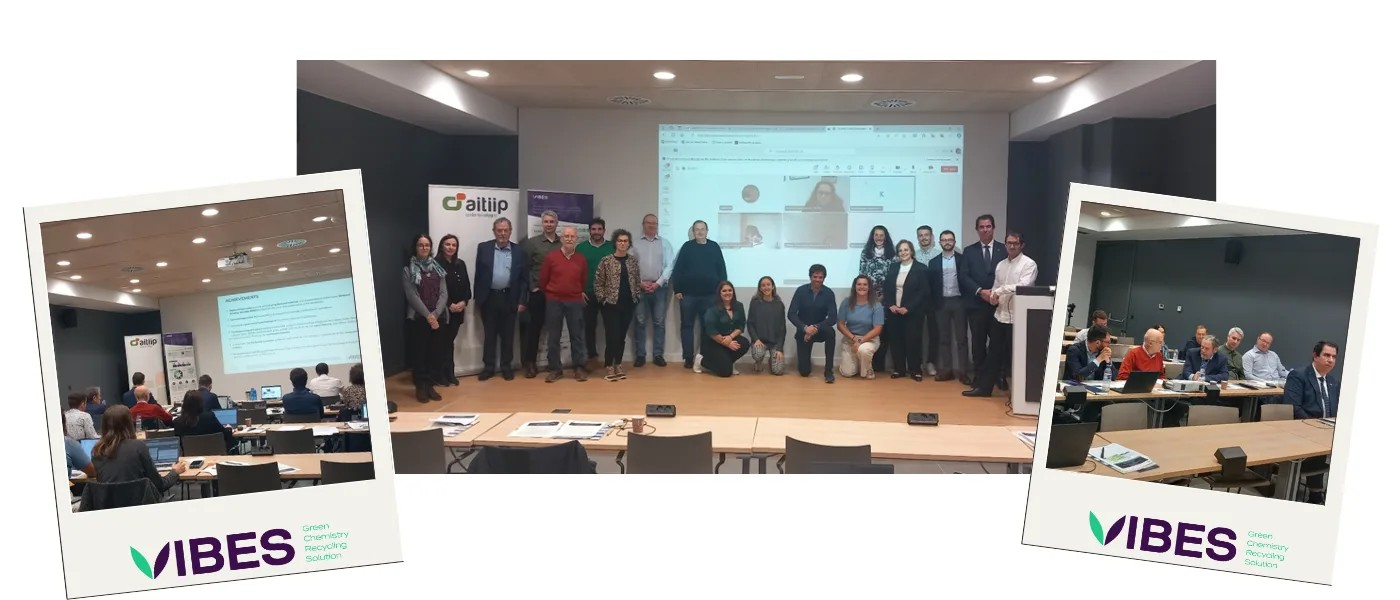
The Consortium of the VIBES project, formed by 13 partners, gathered on 14th November at Aitiip’s premises in Zaragoza, Spain,
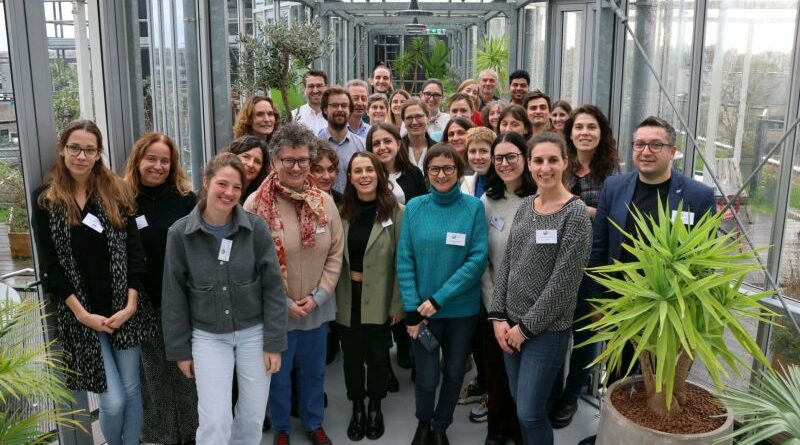
The consortium of the SOLSTICE project, consisting of 24 partners, gathered from November 25th to 27th, 2024 in Amsterdam at
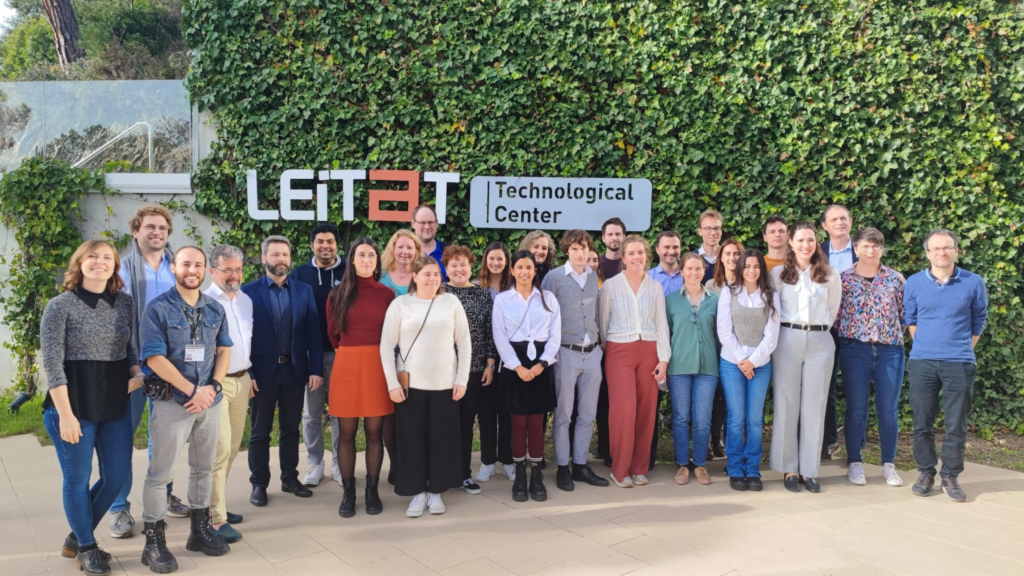
The consortium of the SURPASS project, comprising 13 partners, gathered for its M30 meeting on November 20-21, at Leitat’s and INDRESMAT’s facilities.

On November 19th , during the European Hydrogen Week, we hosted a representative from the European Commission’s Representation Office in
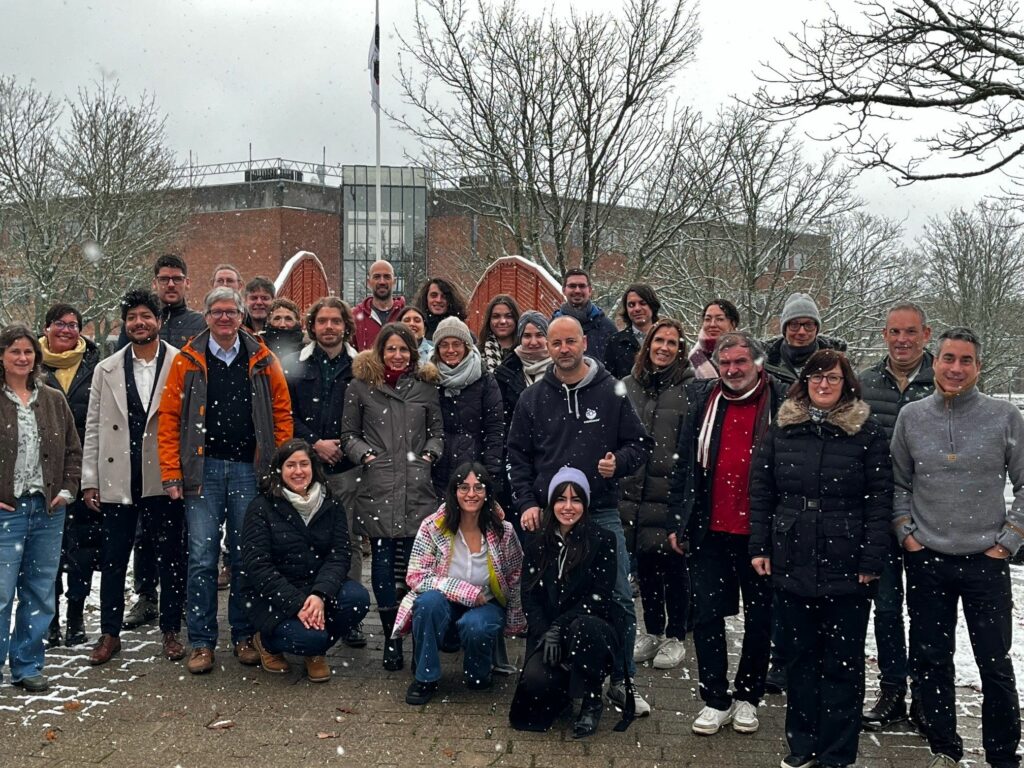
The 16 partners of the EASIZERo Project Consortium gathered the 19th and 20th of Novembre in Danish Technological Institute in
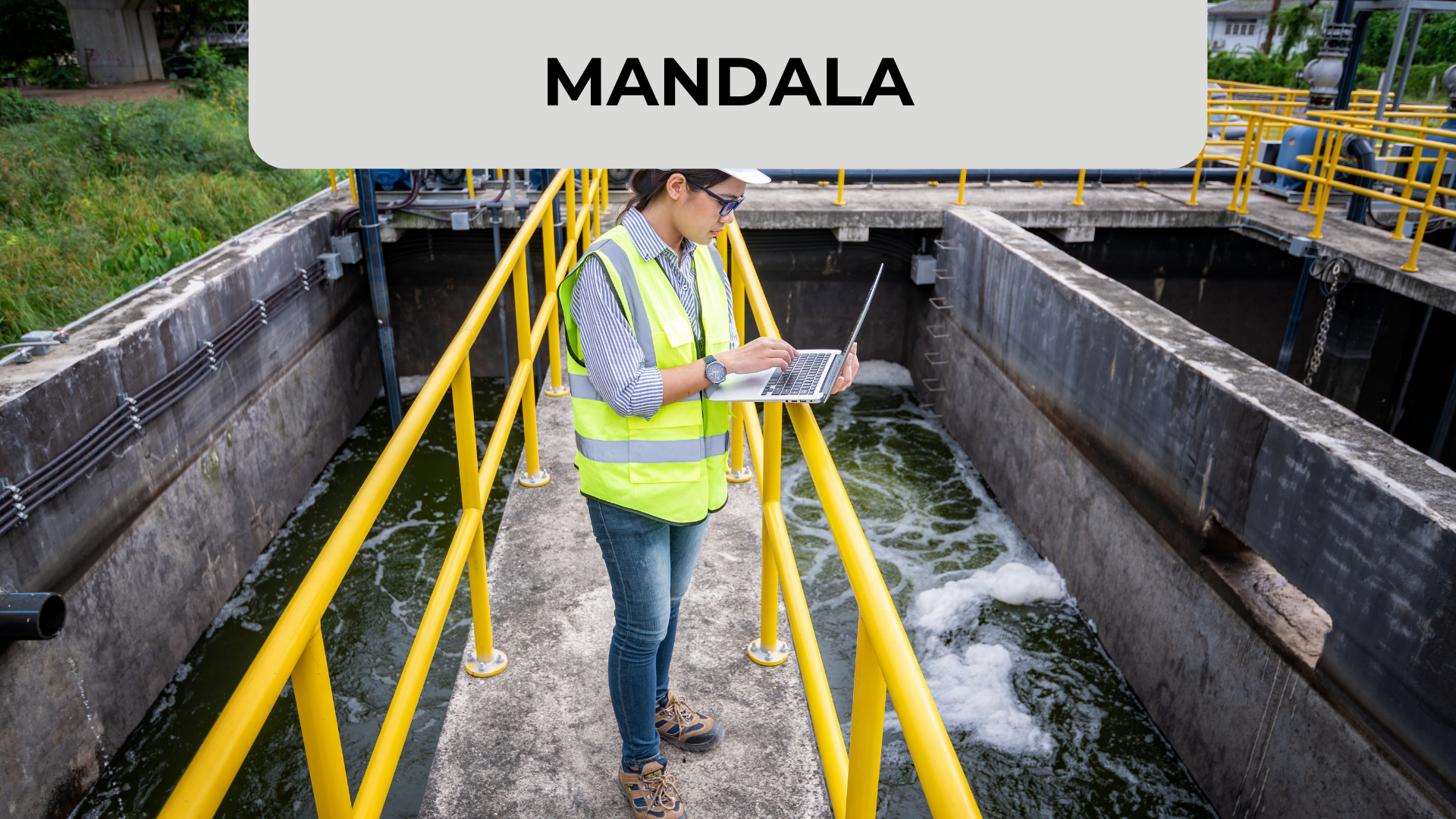
The MANDALA project is aimed at improving the management of water quality, a resource declared at risk of global crisis.
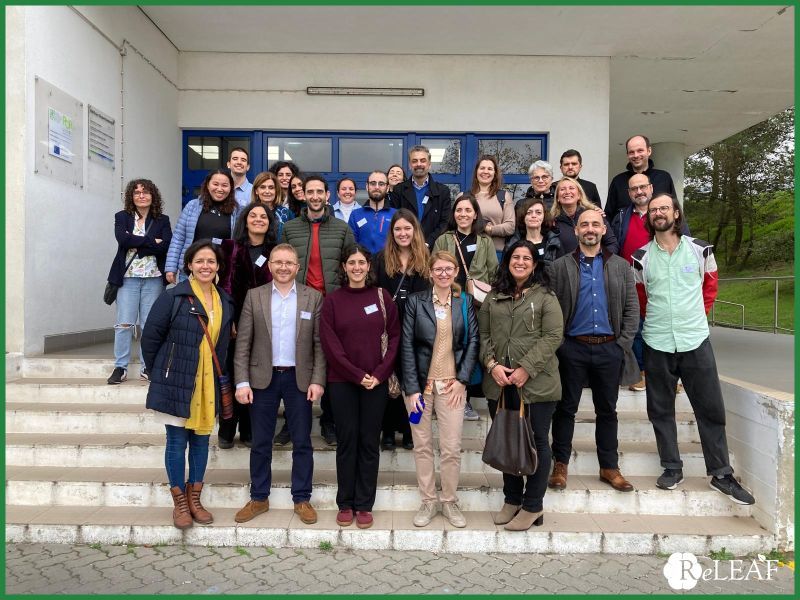
On November 21st and 22nd, the ReLEAF project partners came together in Lisbon, Portugal, for the 6-month consortium meeting. The
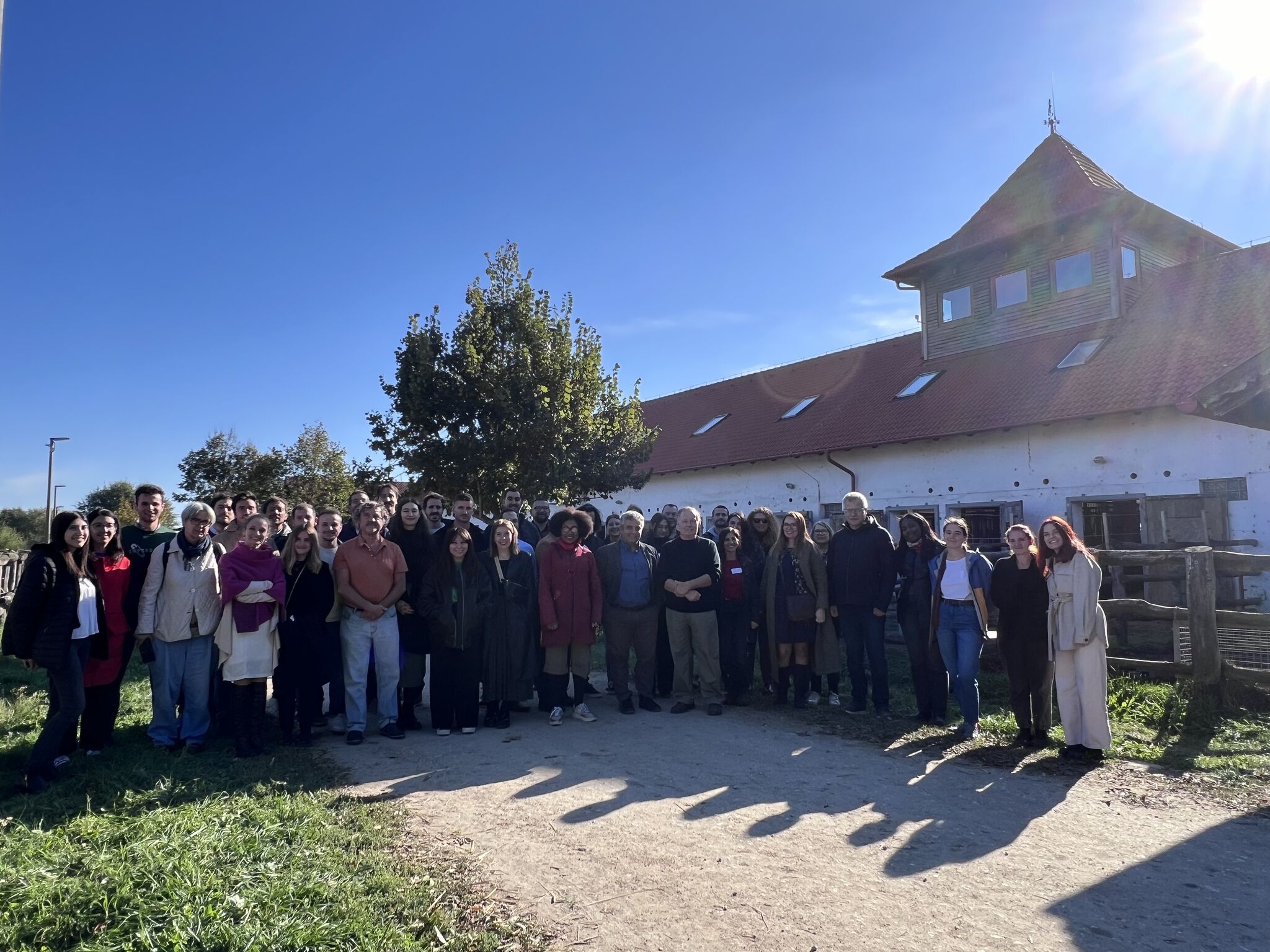
The Waste4Soil project, formed by 27 partners, held its M17 consortium meeting on 16–17 October 2024 in Kajaszo, Central Transdanubia,
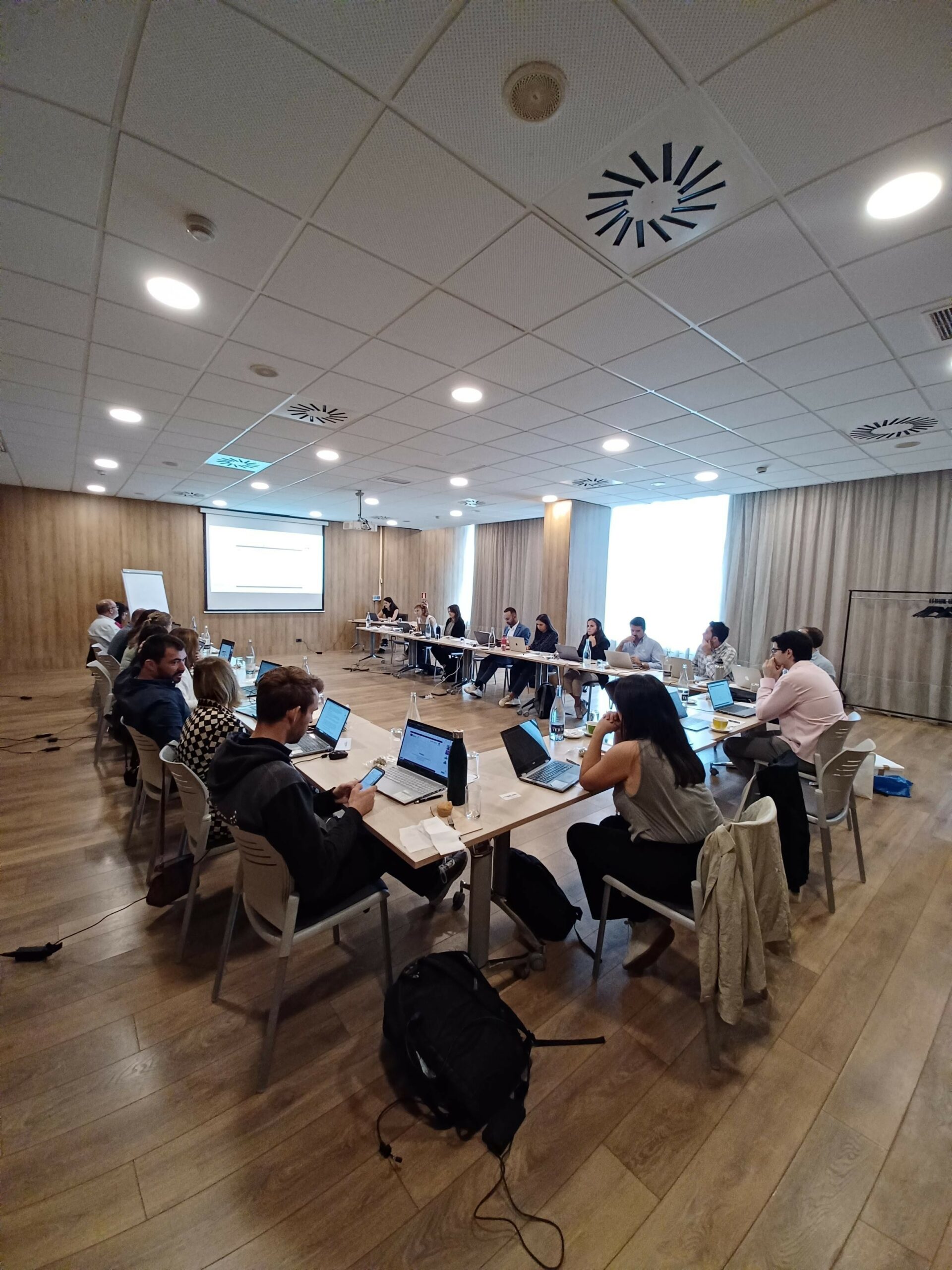
The consortium of REDWine, coordinated by Leitat and formed by 12 partners, met on 9–10 October 2024 at Leitat in
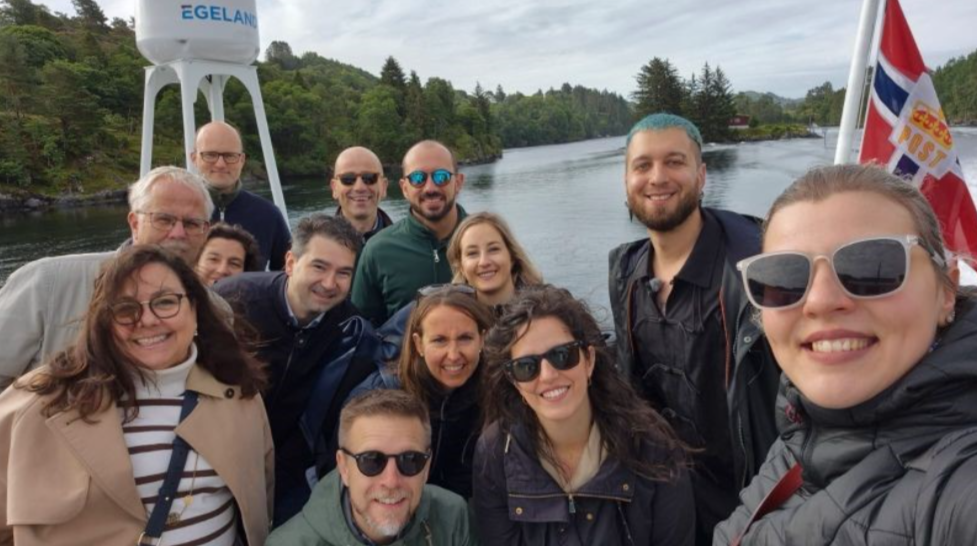
On July 2-3, 2024, the ALGAESOL project consortium, consisting of seven partners, gathered at NORCE in Bergen, Norway, to align
Development of a new targeted therapy for the treatment of metabolically adapted tumors Abstract: The main goal of this project

On 4th March, the final consortium meeting of the India-H2O Project took place, a cooperation initiative between Europe and India
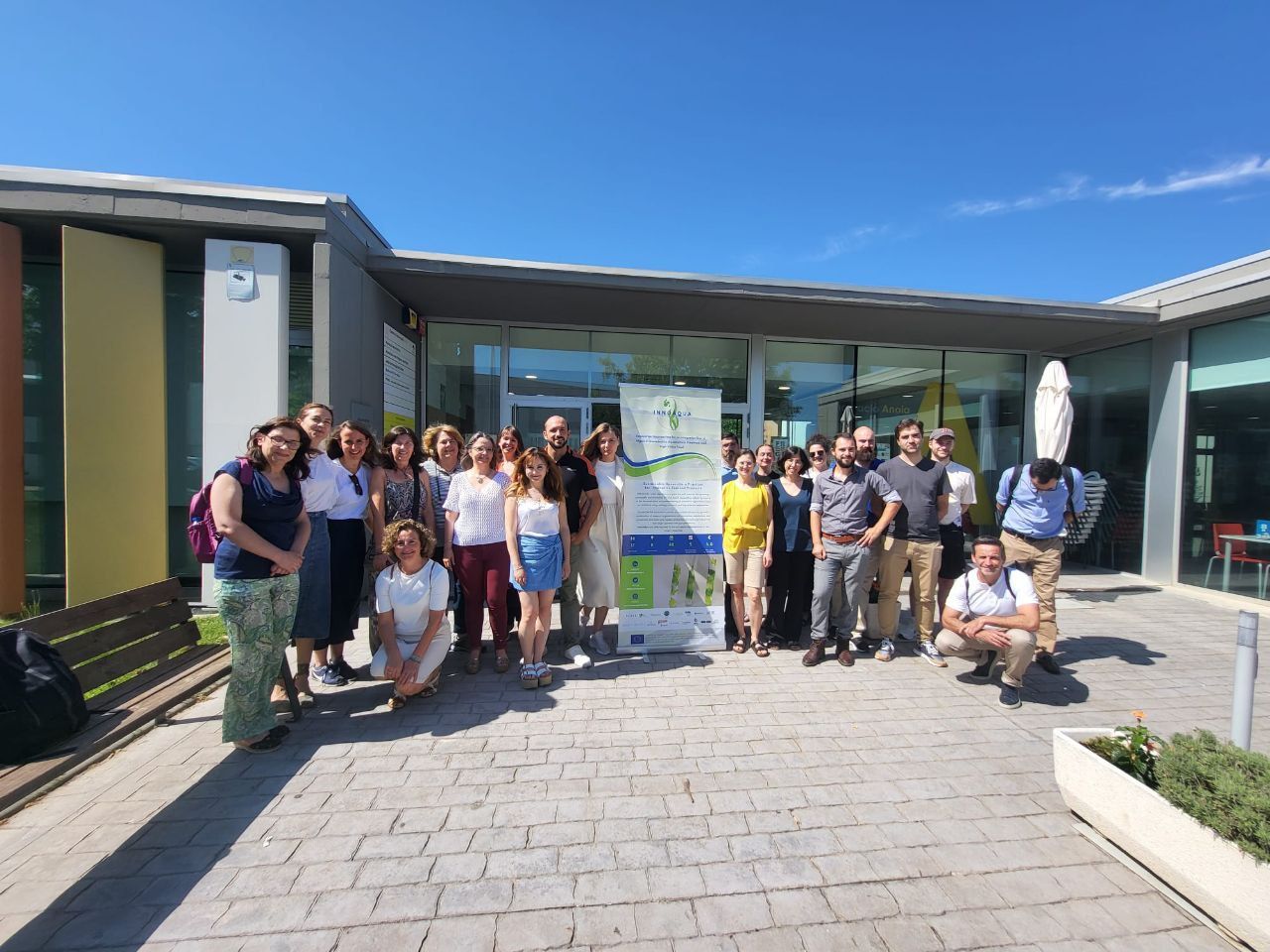
We were delighted to host our Innoaqua partners from June 25th to 27th at the Cambra de Comerç in Barcelona
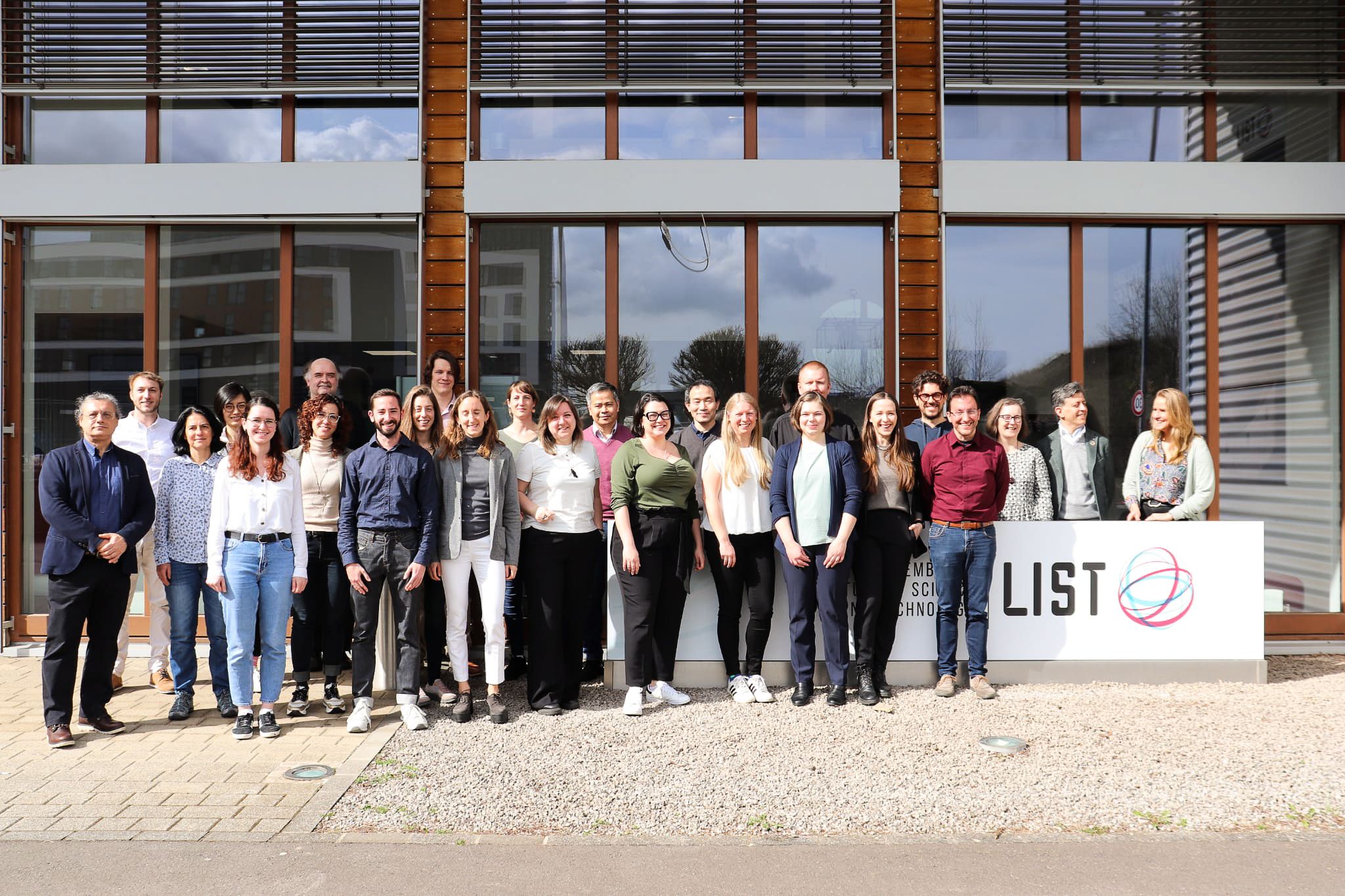
The ZeroF Project is dedicated to developing safe and sustainable alternatives to replace PFAS compounds in the food packaging and

El projecte GAIA, basat en la bioelectroconversión microbiana, ha conclòs amb èxit després de tres anys de treball. Aquesta iniciativa