services

Our laboratories have a human team with extensive experience in the testing, characterization and analysis of the behavior of all types of materials, aimed at a wide diversity of industrial sectors.
services
Our laboratories have a human team with extensive experience in the testing, characterization and analysis of the behavior of all types of materials, aimed at a wide diversity of industrial sectors.

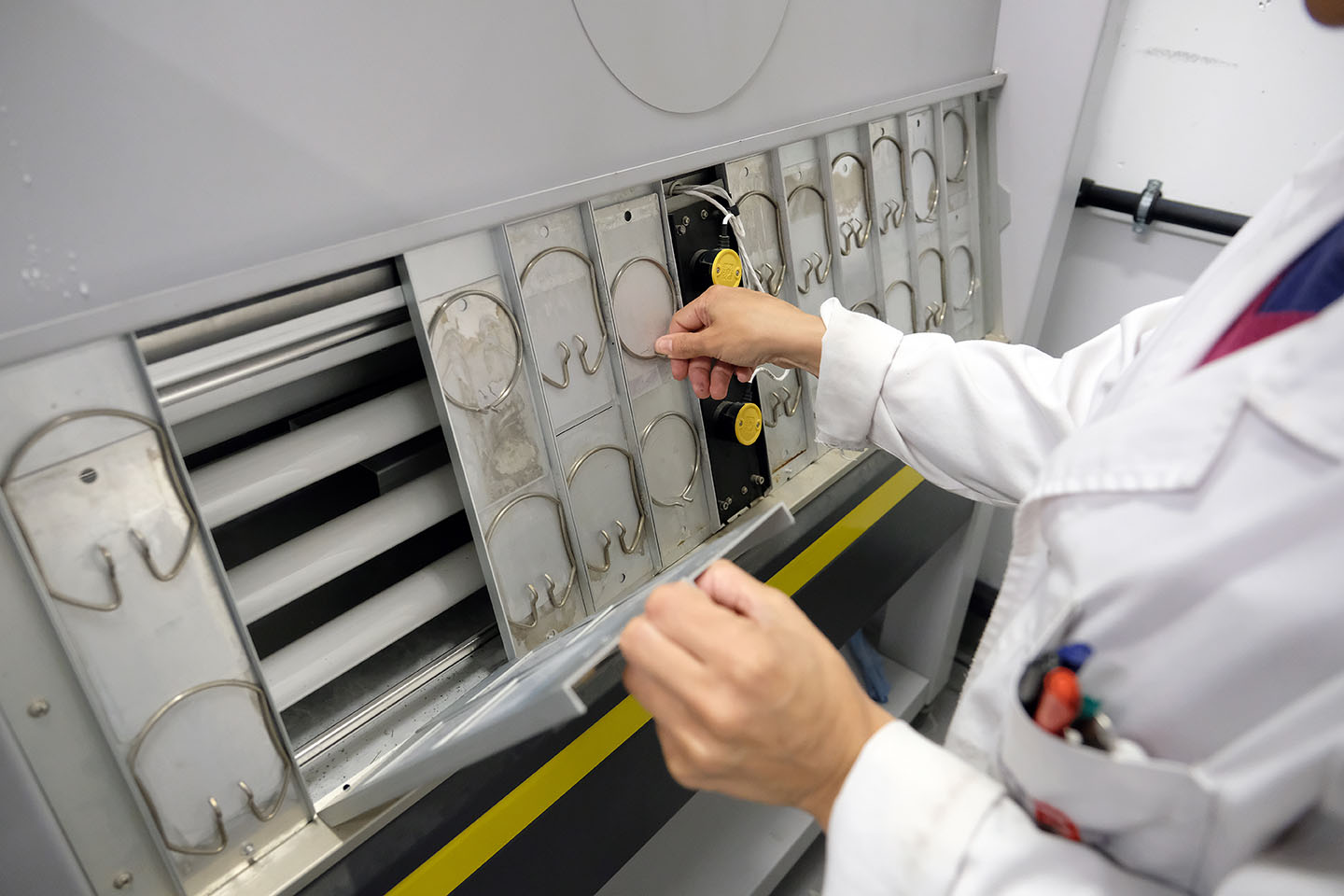
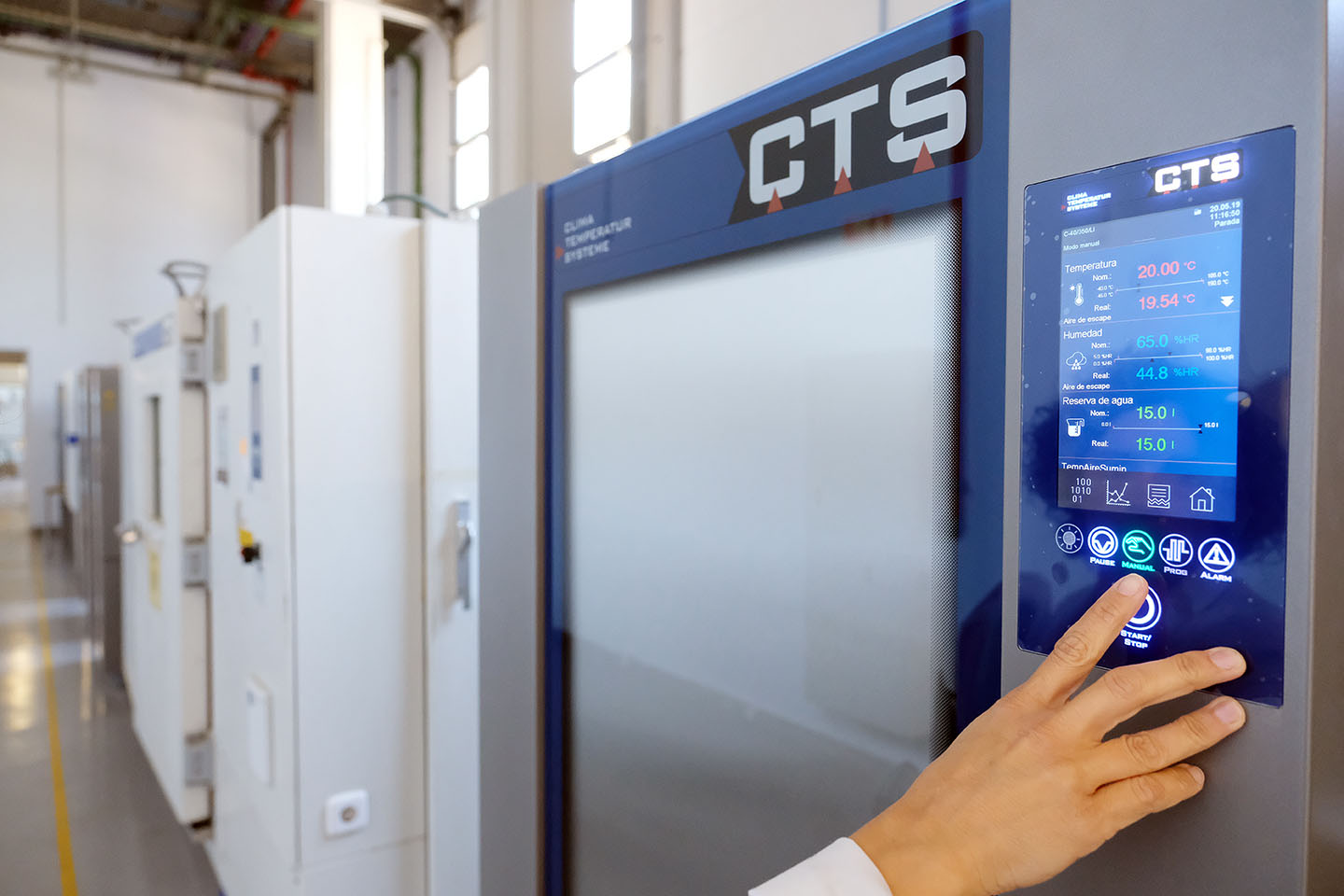
Our Materials Aging laboratory provides companies with different types of equipment designed to check and determine the behavior of their products with regard to accelerated aging and environmental effects.
The lab performs validation and reliability tests for all types of materials and components in accordance with national and international standards, and also according to the manufacturer’s own specifications, such as those of automotive OEMs. With our equipment, extreme environmental conditions can be simulated to determine the durability, life cycle, compatibility, and wear resistance of materials, components, parts and assemblies.
Main types of lab tests:
Characterization through the use of stoves, freezers, and environmental and climatic chambers. Determination, for example, of deformations, shrinkages, durability, embrittlement, and more. Characterization by means of environmental and climatic chambers. Determination, for example, of hydrolysis, degrees of oxidation, durability of mixtures, condensation tests, and more.
Characterization by means of solar simulation equipment (with temperature and humidity control), infrared (IR) lamps, xenon arc lamps, weather-ometer (WOM) equipment, and UV light lamps (UV-Test). Determination, for example, of color fastness, surface wear due to light incidence, variation in physical-mechanical characteristics, and more.
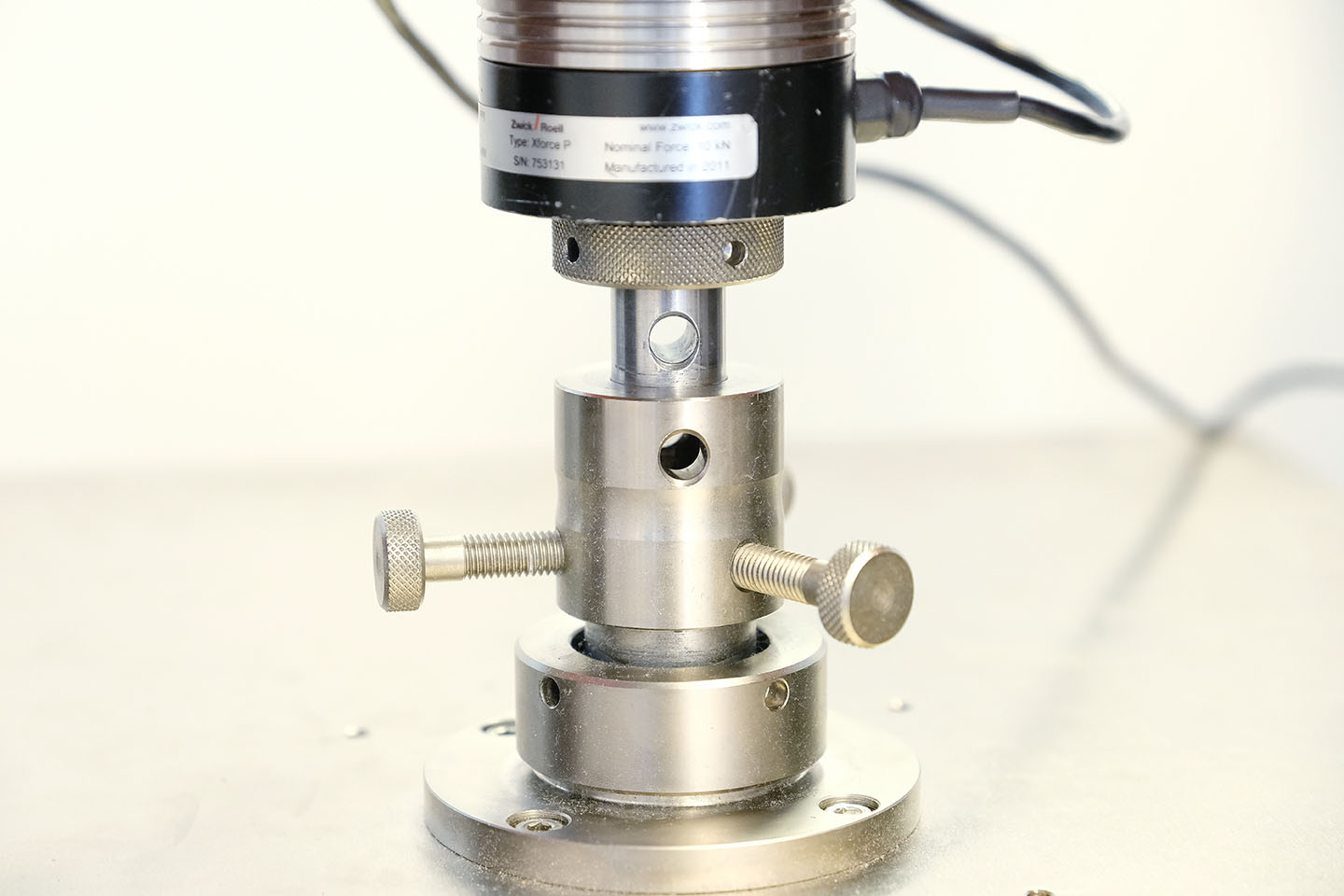
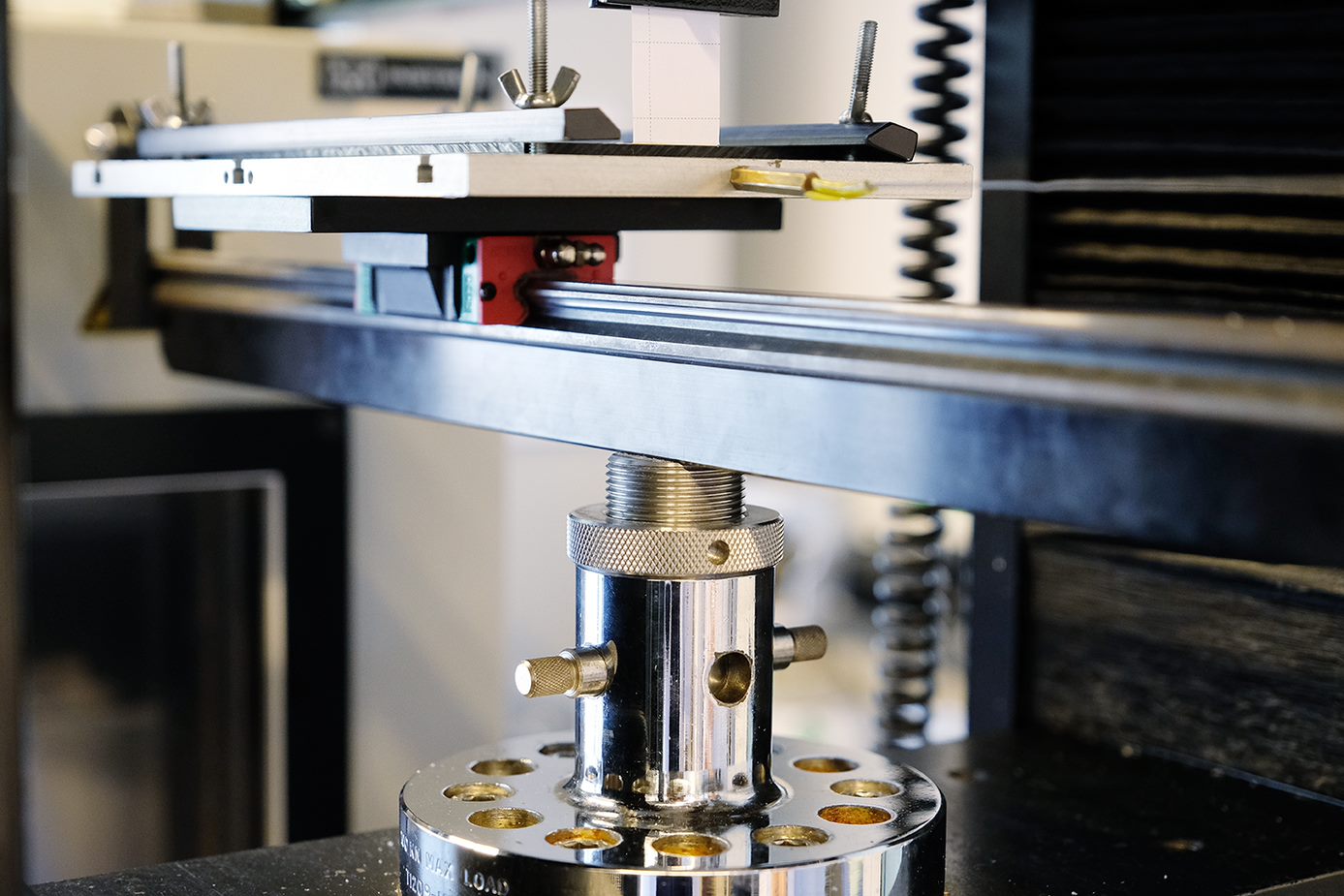
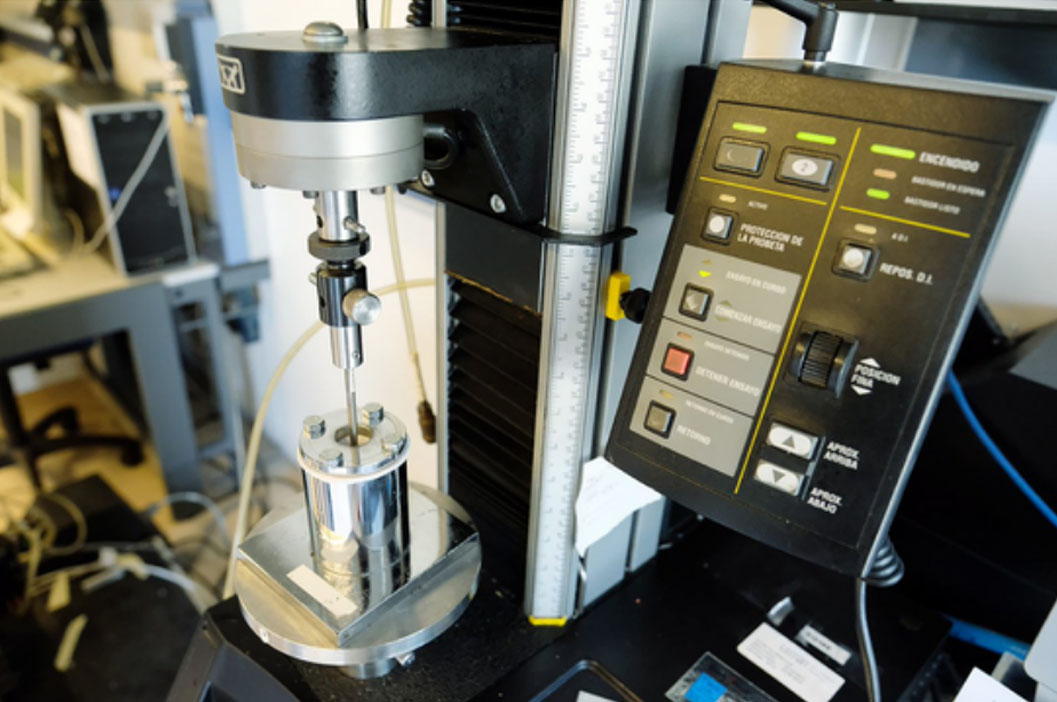
Our Physical-Mechanical laboratory, under controlled environmental conditions of temperature and relative humidity (23°C and 50% RH), offers services related to the physical-mechanical properties of mainly plastic materials, as well as those that, according to regulations or standards, have to be tested in these environmental conditions.
The lab is comprehensively equipped for this type of testing and offers companies and manufacturers solutions when it comes to the characterization of their parts, components and materials.
Main types of lab tests:
Characterization through the use of various equipment to measure properties such as, for example, mass, density, thickness, melting point, volume, solubility, viscosity, permeability, and more.
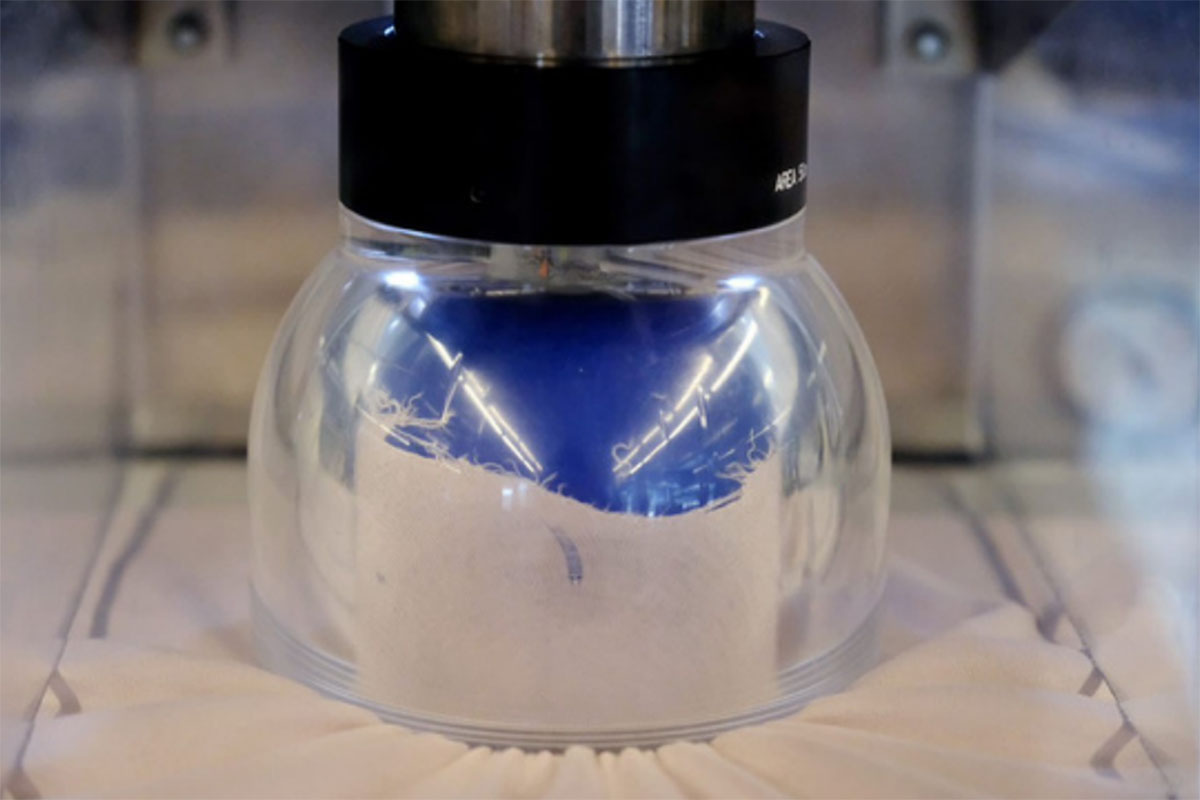
Our Physical-Mechanical lab, under controlled environmental conditions of temperature and relative humidity (20°C and 65% RH), offers services related to the physical-mechanical properties of mainly textile products, and other materials that, according to regulations or standards, have to be tested in these environmental conditions.
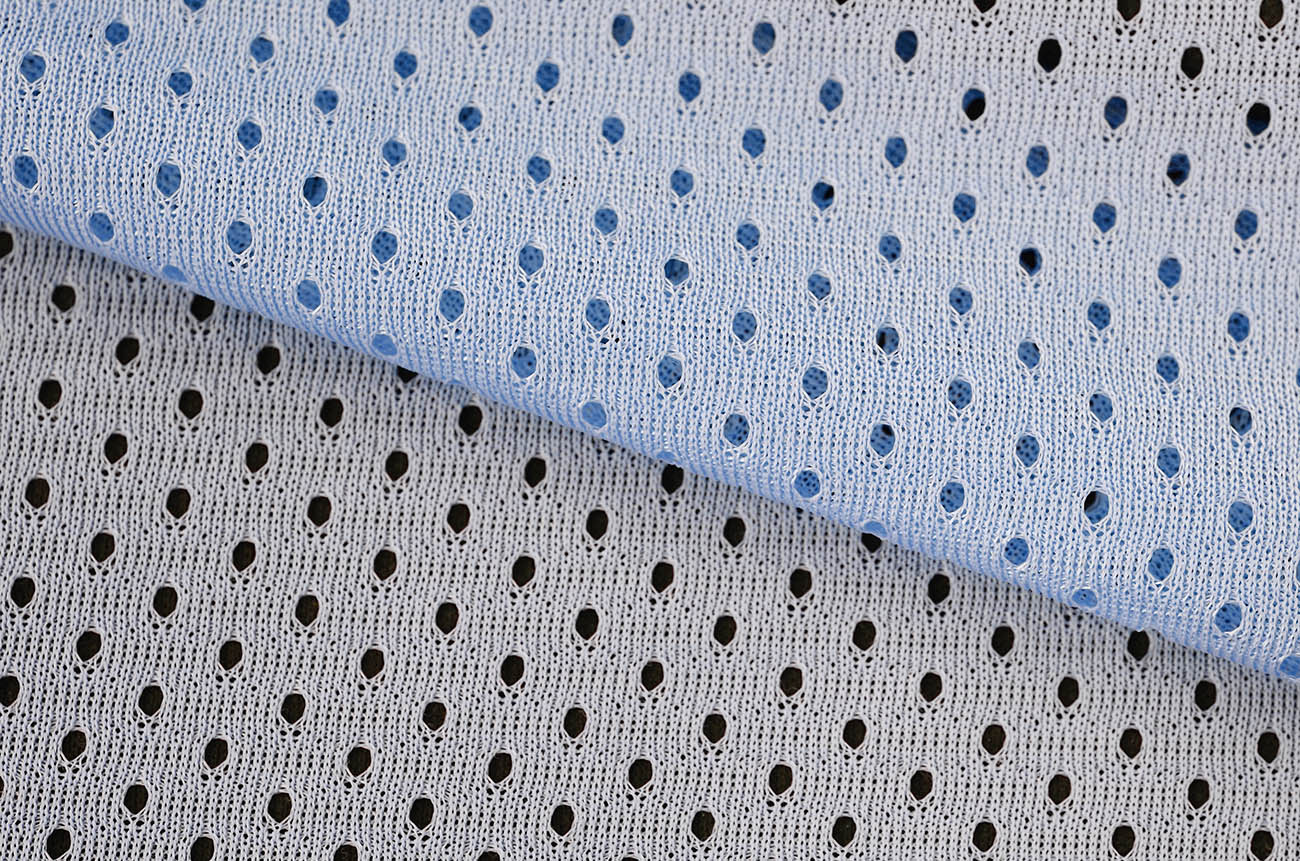
The laboratory is comprehensively equipped for this type of test and offers companies and manufacturers solutions for the characterization of fabrics, determination of resistance to use, comfort, liquid repellency, breathability of masks, as well as other specific properties of textile products and their components.
Main types of lab tests:
Accredited standards for determining grammages, density, thread count, thickness, structures, and more.
Our Dimensional Metrology laboratory is accredited according to ISO/IEC 17025 for measurement by direct palpation, being the only one in Catalonia, and one of the few in Spain, that can offer the performance of three-dimensional measurement tests with coordinate measurement equipment (CMM).
We offer measurement services to companies in sectors as diverse as the automotive, construction, medical, 3D printing, and aeronautics sectors, ensuring the high added value of their products.
These types of measurements are essential for companies and manufacturers to ensure:
These guarantees set them apart in front of their customers and other stakeholders.
In addition, the lab has other non-contact measurement systems for companies that need them.
Main types of lab tests:
Obtained with calibrated equipment. Lengths, profiles, thicknesses, heights, depths, and more.
Digitizing parts; extracting groups of points and curves; modeling surfaces, and more.
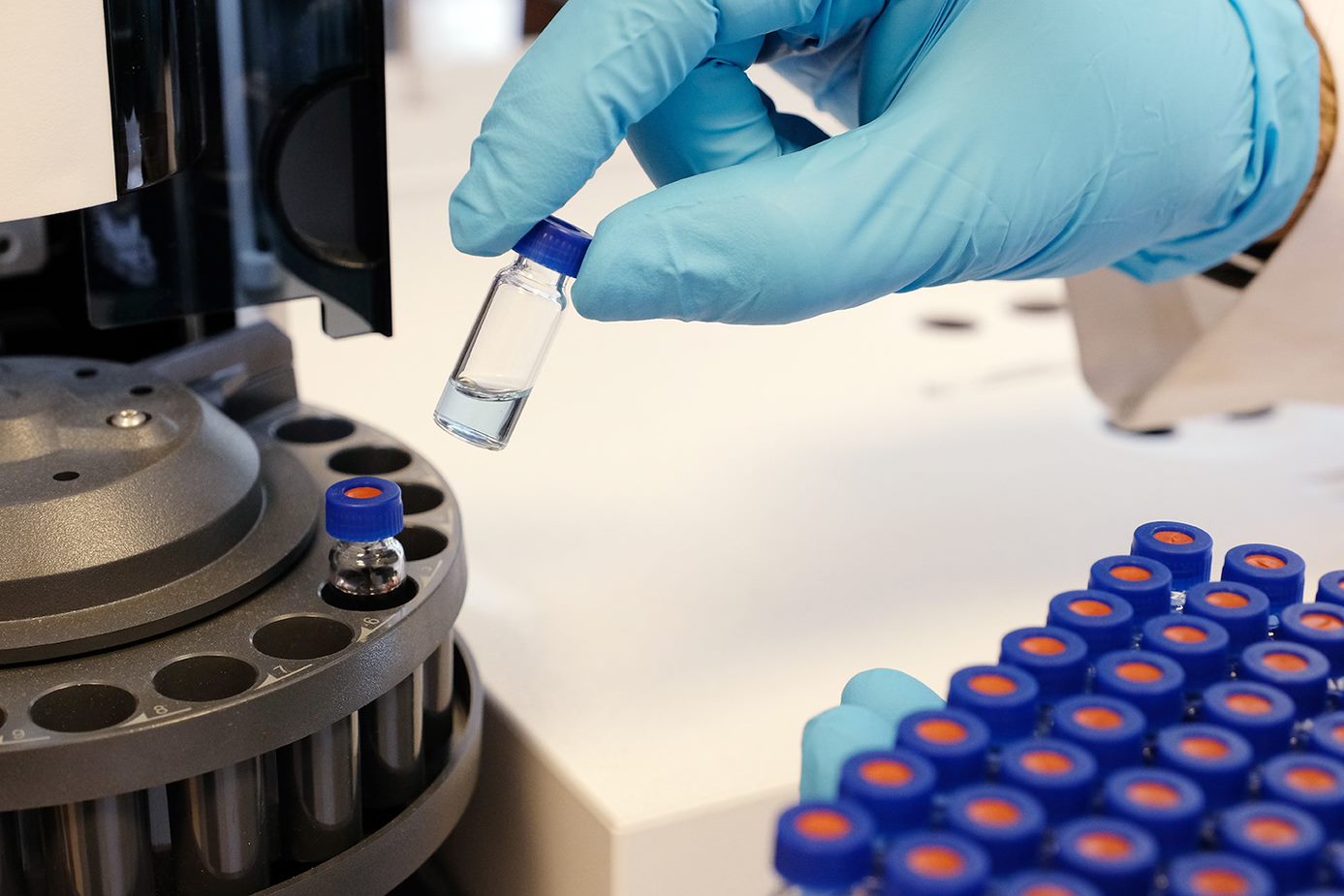
Our Emissions and Chemical Characterization laboratory provides companies with equipment and personnel specialized in determining the emission of volatile organic compounds (VOCs) and in the characterization of physicochemical properties in materials such as plastics, textiles, metals, and more.
We help manufacturers improve their materials and develop new ones that provide greater value and are more sustainable.
Main types of lab tests:
Brugger test; Microtap test; Reichert test. Melt flow testers, viscometers, and more.
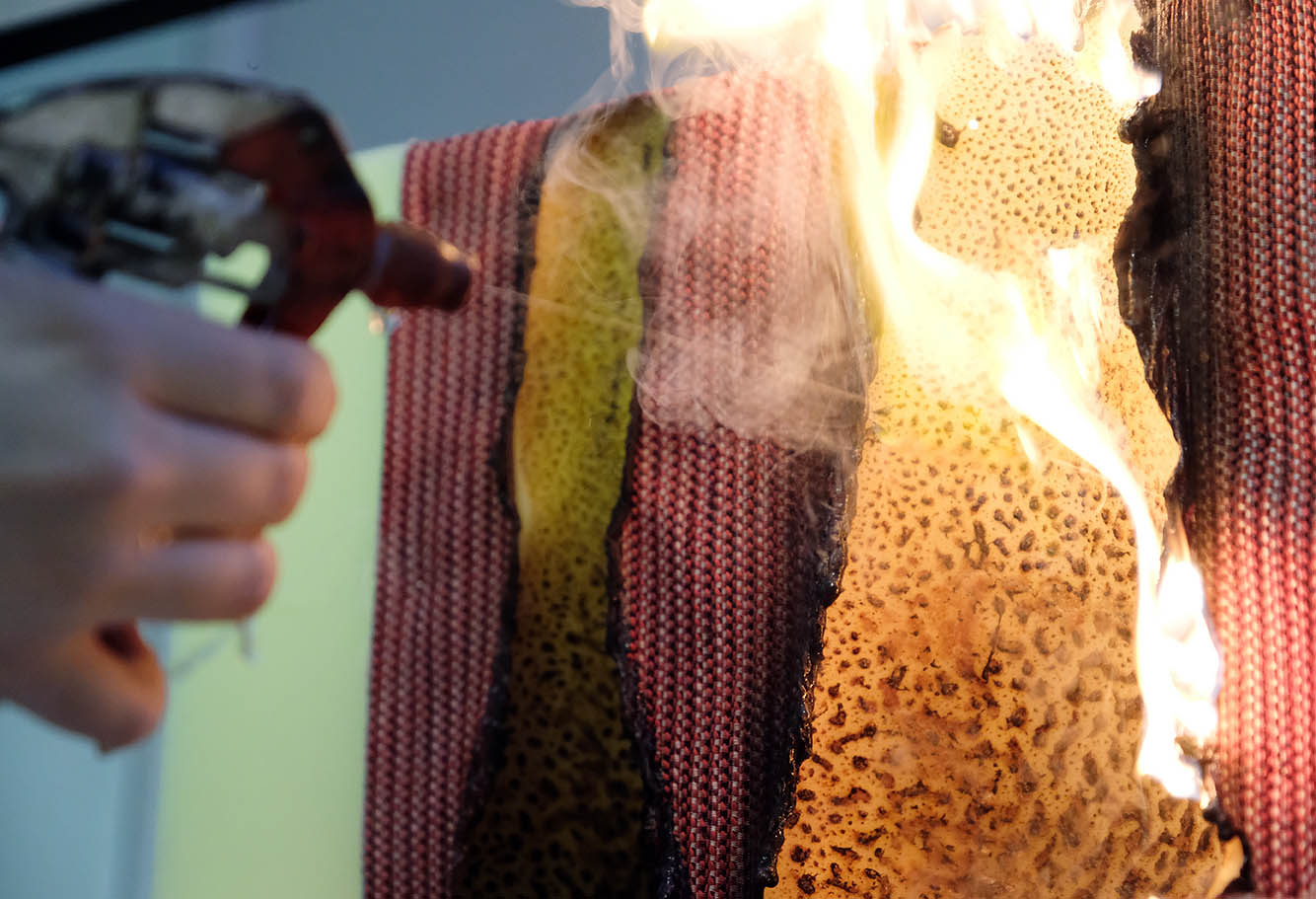
Our accredited Fire Reaction laboratory enables companies and manufacturers to characterize their products and materials, ensuring fire safety and evacuation feasibility in the event of a fire.
This type of testing is a regulated and standardized requirement in sectors such as the automotive industry, where materials are usually tested according to particular regulations and requirements determined by each manufacturer (OEM), and construction, where they are usually included in Technical Codes. Reaction to fire is also an important parameter in other areas, such as rail, maritime, and more.
The laboratory also has the capability to provide these types of services for materials in liquid or semi-liquid states, such as greases, lubricating oils, and more.
Main types of lab tests:
Materials and garments intended for protective clothing and equipment.
Laboratory validated by AESA (State Aviation Safety Agency) for textile and polymeric products according to test method FAR/CS-25.853.
Our Microscopy and Colorimetry laboratory is equipped with different optical microscopy (MO) and scanning electron microscopy (SEM) equipment, profilometer and spectrophotometers. It also has the equipment to make the necessary preparations in each case (microtomes, polisher, resins, stains, etc.), as well as a photographic studio, digital cameras and image processing software.
These types of microscopic services help companies and organizations to characterize and analyze their materials and are very useful for the analysis of surfaces, morphology, topography and cross-section, composition of elements, specific properties of textile fibers and their qualitative identification, fault diagnosis, defect inspection, and more. These techniques make it possible to obtain valuable information by capturing images of certain structures that are not visible to the human eye.
Knowledge of this information helps manufacturers choose between the best materials, develop new products, analyze defects, optimize their processes and reduce costs.
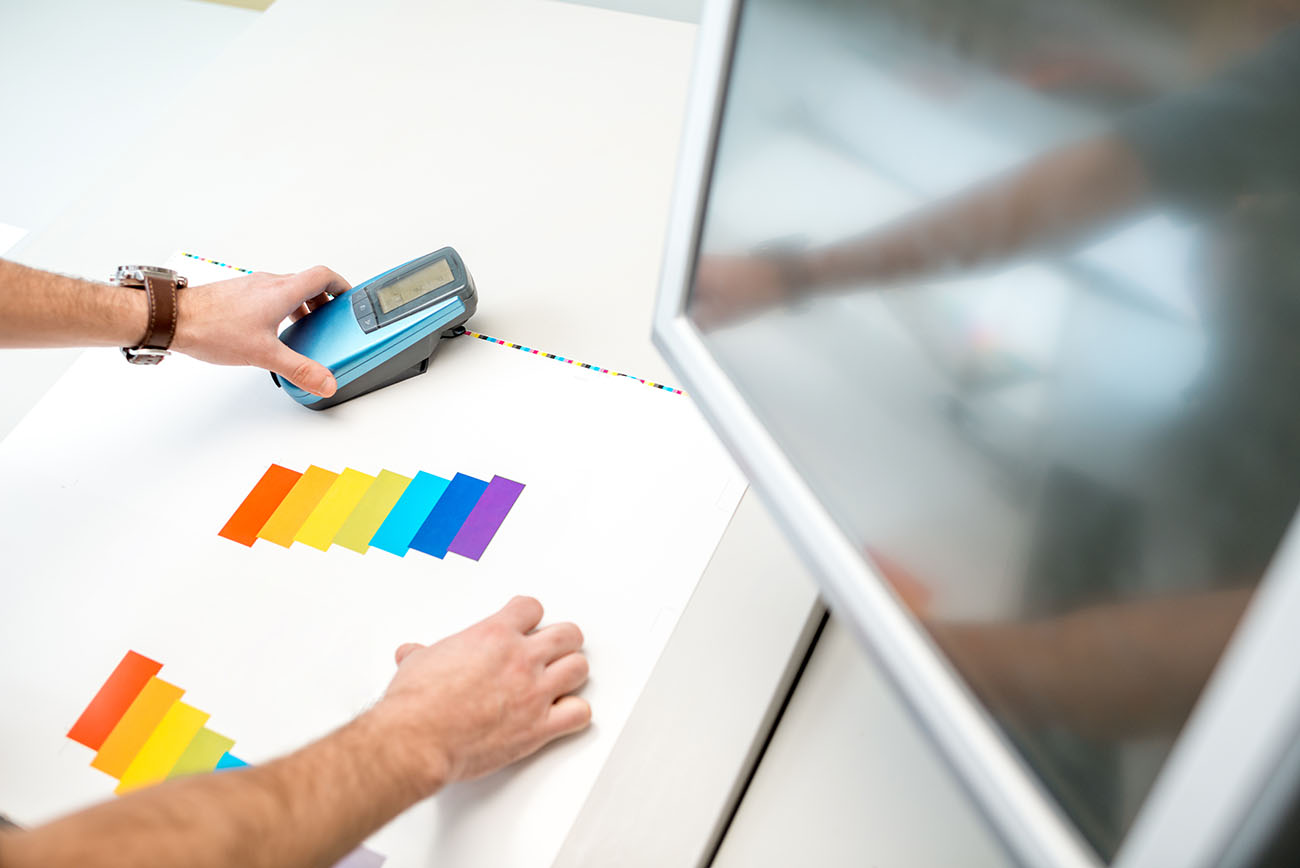
The lab also has different types of colorimeters, spectrophotometers, glossmeters and visual comparison booths. This equipment is used for the determination of color coordinates, degree of white, comparison between colors to detect color differences, UV and NIR protection, as well as the determination of other specific properties of materials, such as surface gloss, metamerism, and more.
Main types of lab tests:
Measurement of distances, angles, areas, depths, thicknesses, cross-sections and more.
Surface gloss measurement of flat materials (reflection of light incident on the surface) at 20°, 60° and 85° (high, medium and low gloss finishes). Large and small measuring areas.
Our Textile and Solid Fatness laboratory offers all kinds of services related to the determination of the color resistance and wear of textile products against various external agents (e.g., sweat, washing, rubbing, water, light, chemicals, and more).
The services of this laboratory help manufacturers determine the behavior of their textile products in different washing and drying processes (domestic, industrial, or dry), and determine other important parameters (e.g., pH of the aqueous extract, quantitative composition of fibers, and more).
Main types of lab tests:
Accredited industrial washing and drying processes (tumble dry only).
Accredited standards for high-temperature artificial light fastness, artificial light fastness, domestic and commercial wash fastness, dry cleaning fastness, water fastness, sweat fastness, hypochlorite bleach fastness, iron fastness, rub fastness, and more.
Determination of binary and ternary fiber compositions, and more.
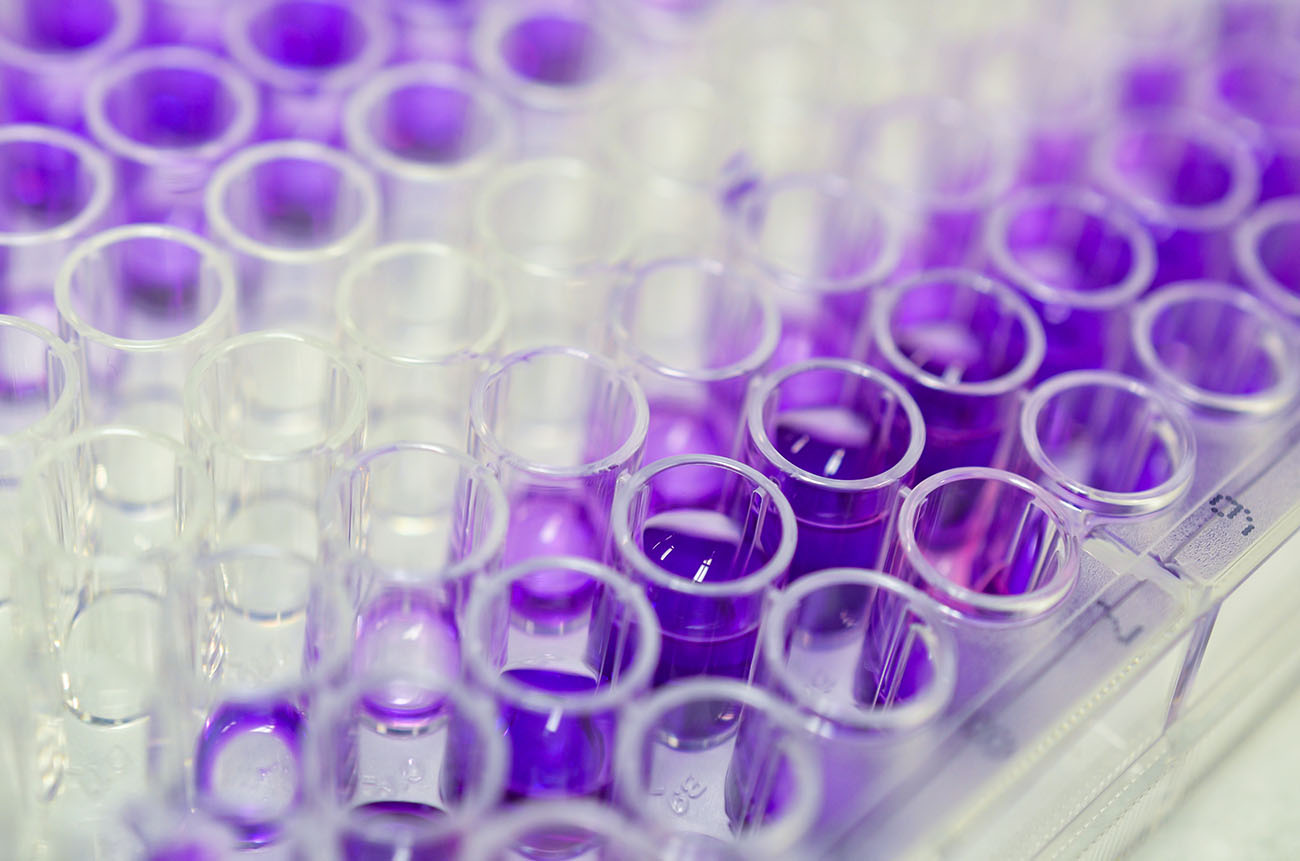
Our Microbiology laboratory works on a wide range of services that ensure the highest technical competence, quality and reliability of its results. We analyze any type of sample following different testing regulations or by applying other non-standardized methodologies, adapting each service to the client’s needs.
Main types of lab tests:
Microbiological analysis of fertilizers, soils, water and all types of food and feed products (Salmonella, Listeria, E.coli, Bacillus, Clostridium, etc.); microbiological control of aerobic microorganisms, fungi and pathogens/indicators in water and sediments.
Identification of bacteria and fungi using molecular techniques and analytical microbiology.
Utilitzem cookies per millorar la teva experiència de navegació, publicar anuncis o contingut personalitzats i analitzar el nostre trànsit. En fer clic a "Acceptar-ho tot", acceptes l'ús que fem de les cookies.