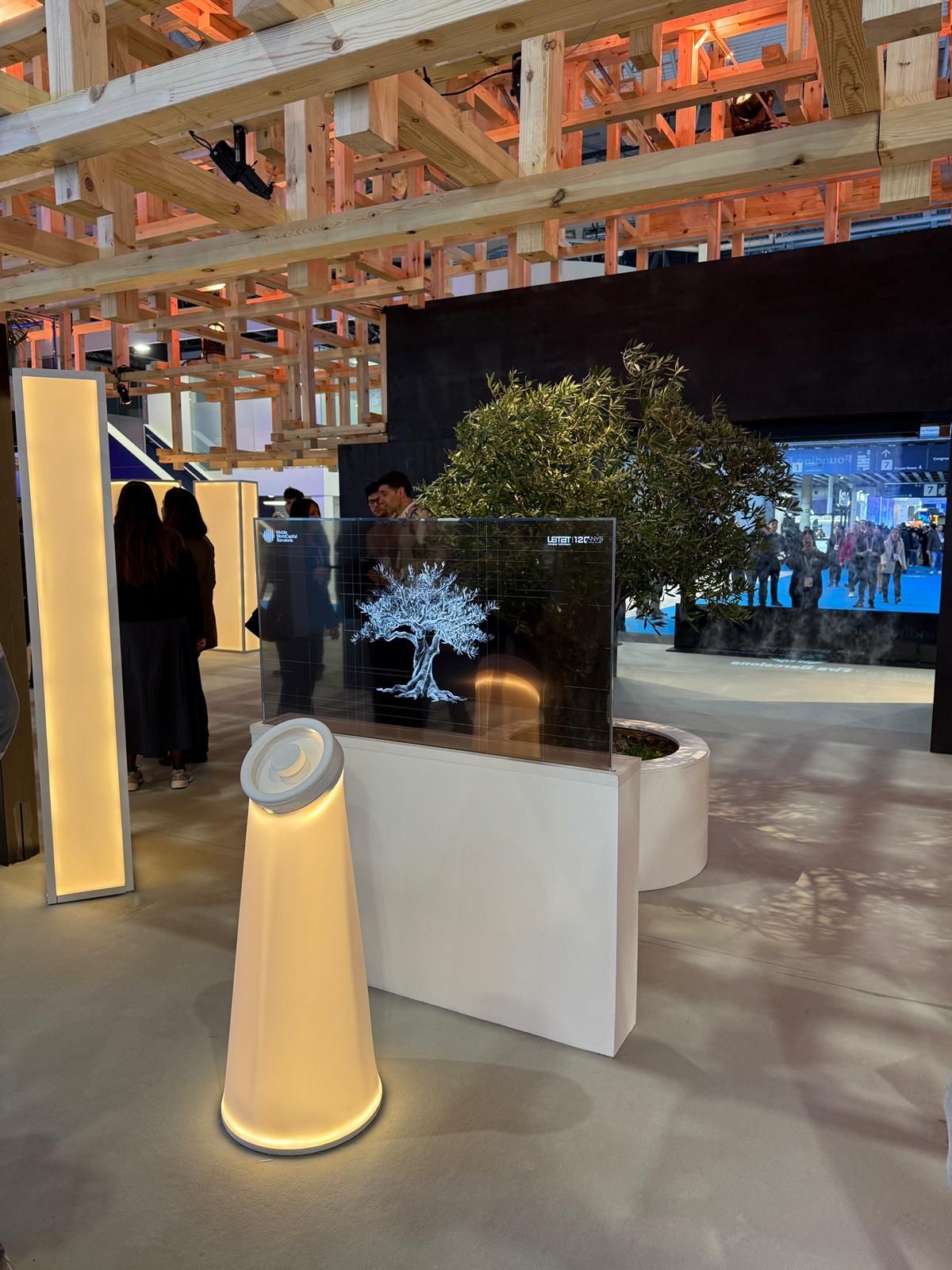
- La Fundació i el centre tecnològic presenten al MWC l’experiència The Bio-Circular Harvest, que mostra com els sistemes d’escaneig hiperespectral permeten diagnosticar els cultius per afavorir la presa de decisions dels agricultors
- Els visitants de l’estand de MWCapital poden escanejar una olivera real i conèixer el grau de maduració del seu fruit, el nivell d’estrès hídric de la planta i el grau d’infestació per afavorir una producció més sostenible i eficient.
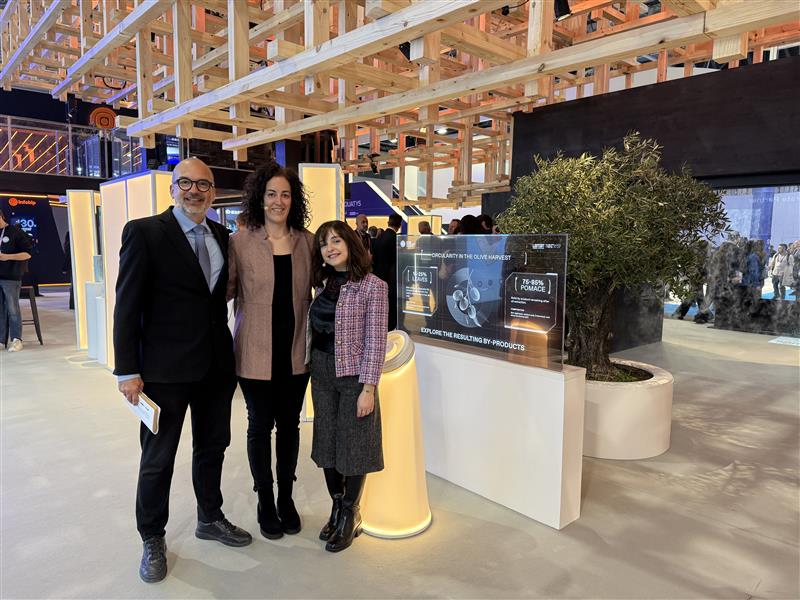
MWCapital i Leitat presenten a MWC26 The Bio-Circular Harvest, una experiència que mostra com la tecnologia està revolucionant el sector agroalimentari. La instal·lació compta amb un sistema d’escaneig hiperespectral que permet analitzar amb gran precisió els diferents components d’una olivera plantada a l’estand de la Fundació. Els visitants poden realitzar un escaneig digital de l’olivera i visualitzar, en temps real, dades clau per a l’optimització del cultiu.
L’experiència permet conèixer el grau de maduració del fruit, l’estat hídric de la planta i el grau d’infestació de l’olivera. Aquesta informació facilita als agricultors la determinació del moment òptim de recol·lecció i la possibilitat d’actuar de manera anticipada en cas de detectar anomalies o possibles malalties que puguin afectar el fruit. Mitjançant l’anàlisi de l’estat fisiològic del cultiu, s’obté una lectura avançada que permet prendre decisions basades en evidències orientades a millorar el rendiment, reduir l’impacte ambiental i obrir noves vies de valorització al identificar nous productes derivats del fruit o la planta.
Més enllà del diagnòstic de l’olivera, l’experiència mostra també dades sobre diferents productes alternatius que se’n podrien derivar, com ara productes cosmètics, ingredients alimentaris, biocombustibles, fertilitzants o ingredients de valor afegit per a altres industries.
L’experiència permet entendre com, en funció dels tres indicadors obtinguts a partir de l’escaneig hiperespectral, la producció de l’olivera pot variar (generant més o menys sansa, olives o oli) i com això impacta directament en els productes resultants. D’aquesta manera, es posa en valor un model agroalimentari més eficient, sostenible i basat en l’economia circular.
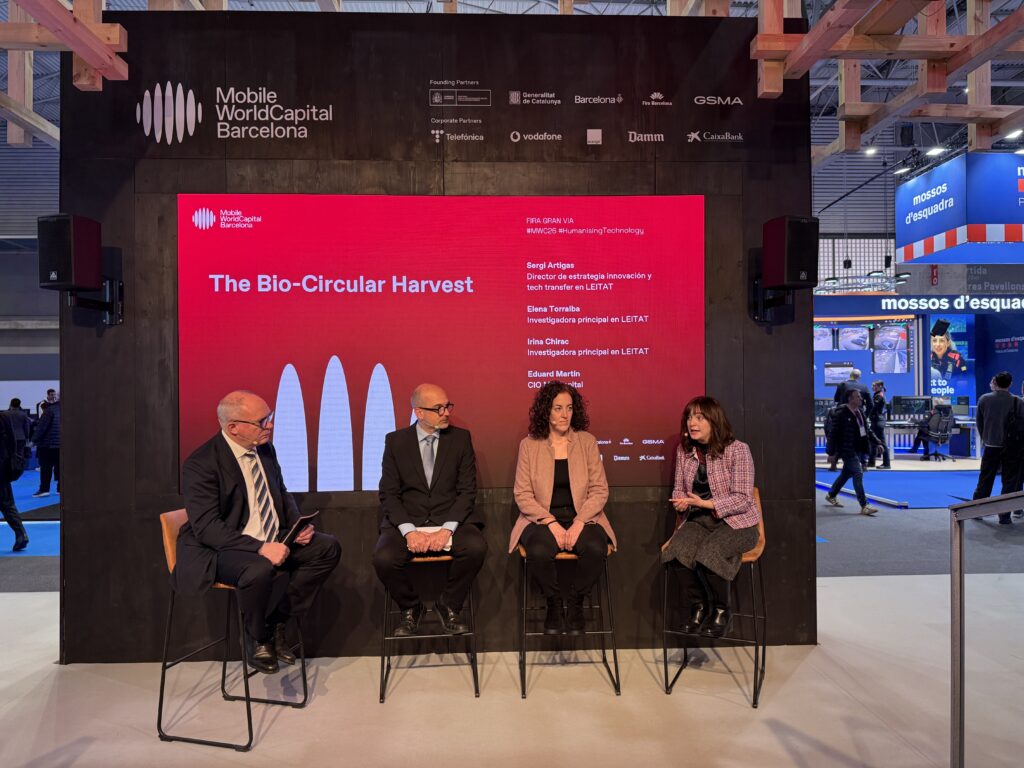
L’escaneig hiperespectral, una tecnologia per a produccions més sostenibles
L’aplicació de l’escaneig hiperespectral permet als agricultors monitorar els cultius perquè tinguin un estrès hídric moderat sense afectar el rendiment de l’oli. Segons els estudis, això pot reduir el consum d’aigua fins a un 35%. També, el control del moment de la collita permet optimitzar l’extracció d’oli i preservar la qualitat del fruit. Els estudis indiquen que recol·lectar les olives en el seu estat òptim per a la producció d’oli pot augmentar-ne el rendiment fins a un 20%.
Traslladat al sector agroalimentari, aquesta tecnologia proporciona als agricultors informació de valor per obtenir un diagnòstic precís sobre l’estat fisiològic dels fruits, de les seves plantacions i prendre decisions per millorar el rendiment, reduir l’impacte ambiental i obrir la porta a noves vies de valorització.
L’aplicació de la tecnologia al sector agroalimentari aporta informació per generar processos productius més sostenibles i optimitzar la producció per resoldre un dels grans reptes contemporanis, com és alimentar a una població en constant creixement: les Nacions Unides calculen que la població mundial passarà del 8.000 milions de persones actual als 10.300 milions en els propers 50 anys.
Des del punt de vista ambiental, tecnologies com la present a l’estand de la MWCapital, la IA o el machine learning permeten avaluar dades del sòl, clima i imatges dels cultius per detectar precoçment brots, reduint l’ús de químics i optimitzant la productivitat.
A més, l’escaneig hiperespectral aporta informació estratègica per impulsar la valorització de subproductes i reduir el malbaratament alimentari. Mitjançant l’aplicació de tecnologies de valorització sota el concepte de biorefineria, és possible obtenir nous ingredients i productes de valor afegit per sectors industrials rellevants. Aquesta estratègia permet avançar cap a un model de sector agroalimentari sostenible orientat al residu zero.