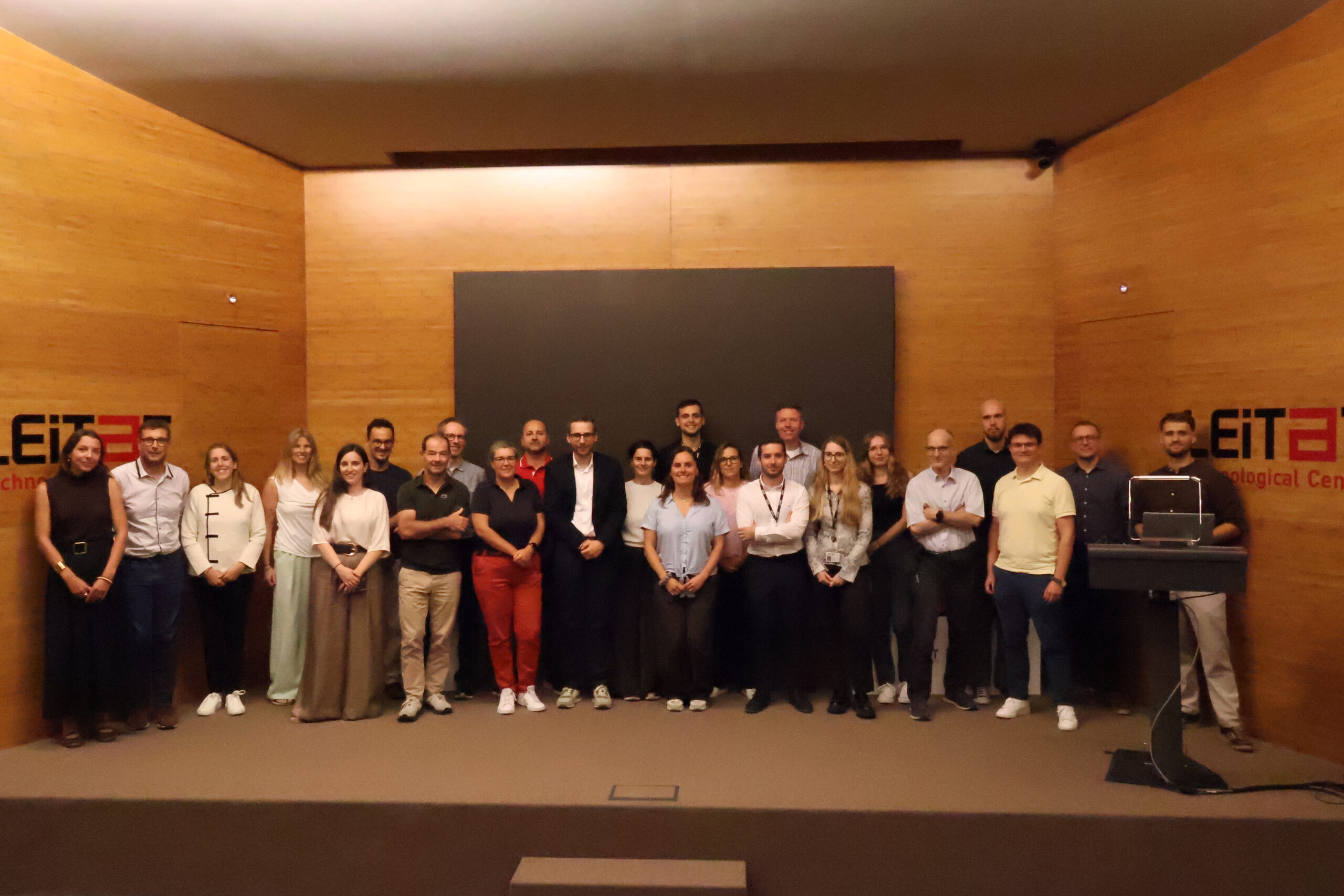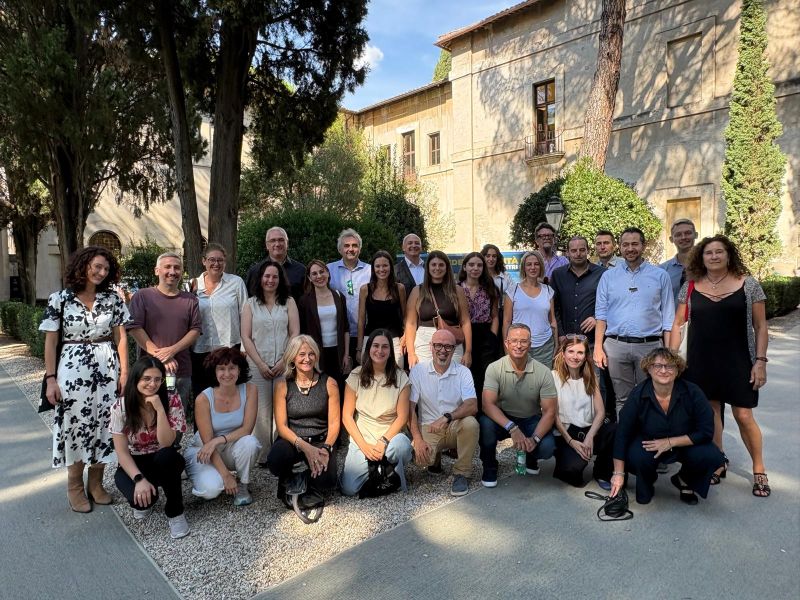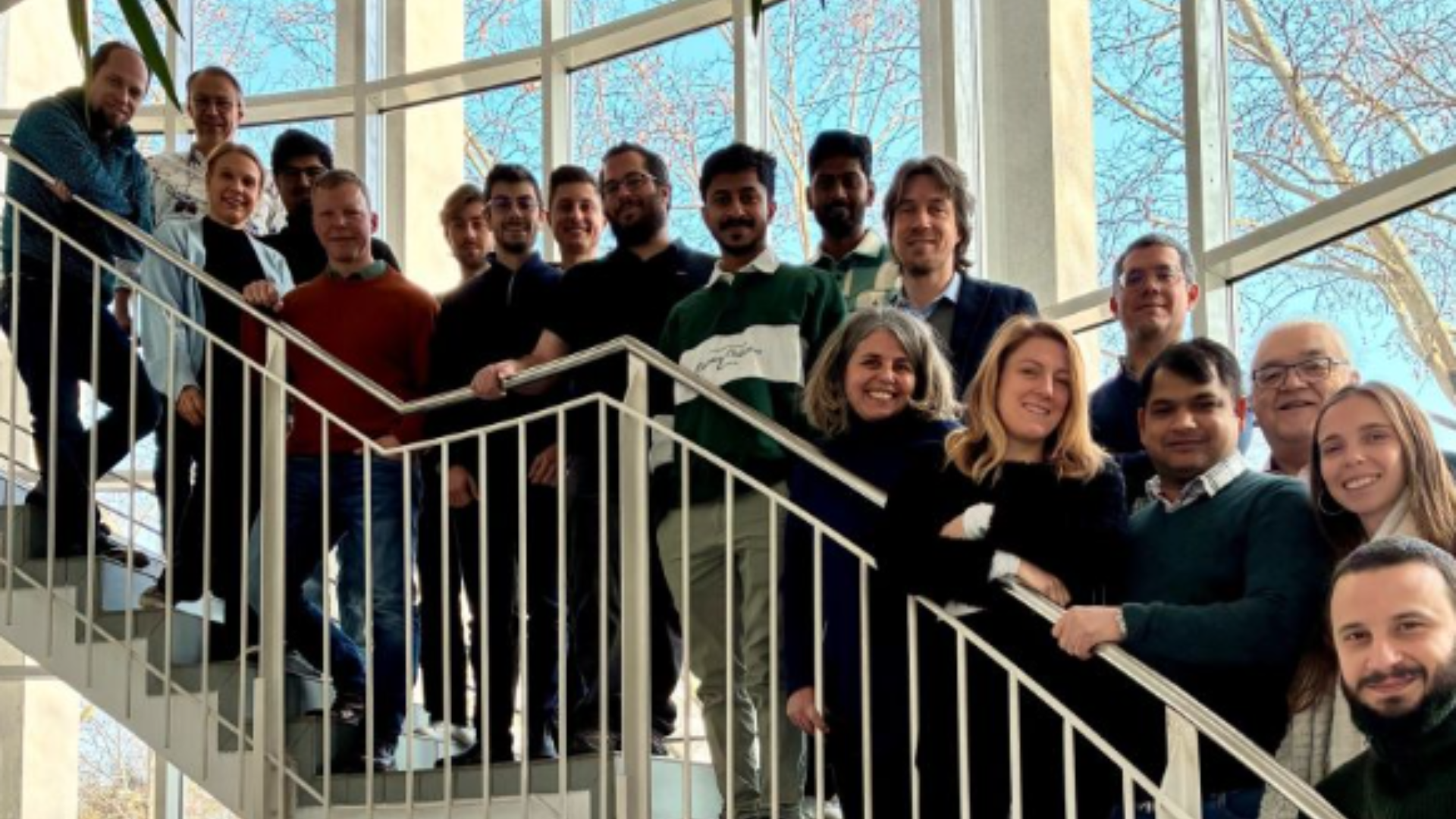
The DigiCell consortium met in Linz on 21–22 January 2026 for its two-year progress meeting, hosted by Keysight Technologies and Johannes Kepler University. Partners reviewed the latest advances in materials characterization, data integration, and digital modeling for next-generation battery technologies.
Leitat presented several key achievements that support DigiCell’s scientific and digitalisation goals:
- Classifying second-life batteries
Leitat has developed a new methodology, the Battery Application Suitability Index (BASI), to classify second-life batteries. This framework combines both physical condition and economic factors, helping to guide their reuse in different applications. The index will be presented in the coming months.
- New test series with embedded optical fiber sensors
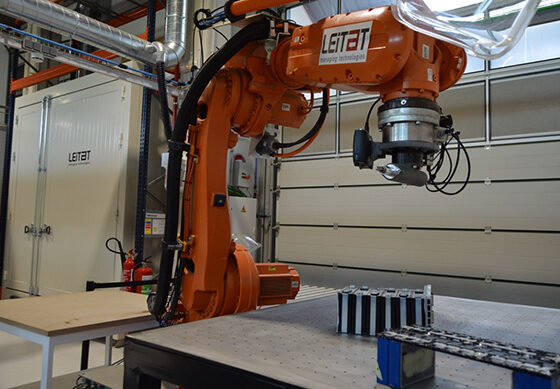
A new experimental campaign using optic-fiber-embedded temperature sensors in pouch cells has been launched. This approach generates detailed datasets that are now being incorporated into the project’s shared data infrastructure.
- New cell ageing data
Over the past year, Leitat has collected a complete dataset on the ageing of 15 battery cells. These data will support the development of accurate state-of-health (SOH) estimators for second-life batteries.
- Integration of datasets in the DigiCell platform
The latest datasets from Leitat have been uploaded to the DigiCell Data Management Platform (DMP), enabling partners to work efficiently and validate results across teams.
- Machine learning and classification tools
Leitat’s machine-learning classification module is now fully operational as the first tool available on the DigiCell platform. Work on the segmentation tool is ongoing and will be released in a later phase. Prior to contributing project-specific datasets, Leitat tested several machine-learning approaches using open-source data, establishing a solid baseline for the current work.
- Looking ahead
During the meeting, partners also exchanged updates on experimental methods, digital twins, and AI-driven modeling strategies. With two years of progress completed, the DigiCell consortium is now focused on turning its research outputs into practical solutions for Europe’s battery ecosystem, leading up to the project’s final conference in 2026.