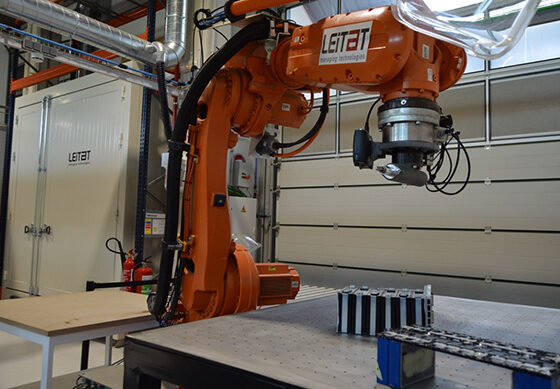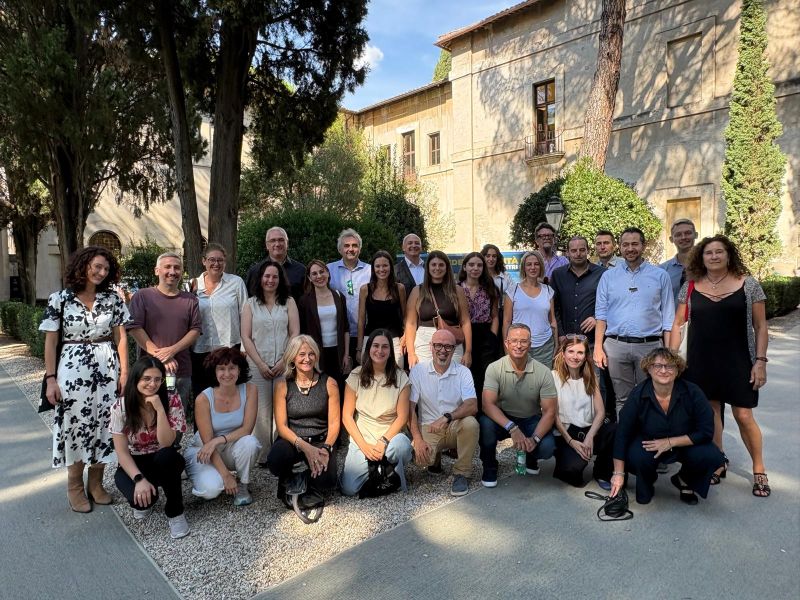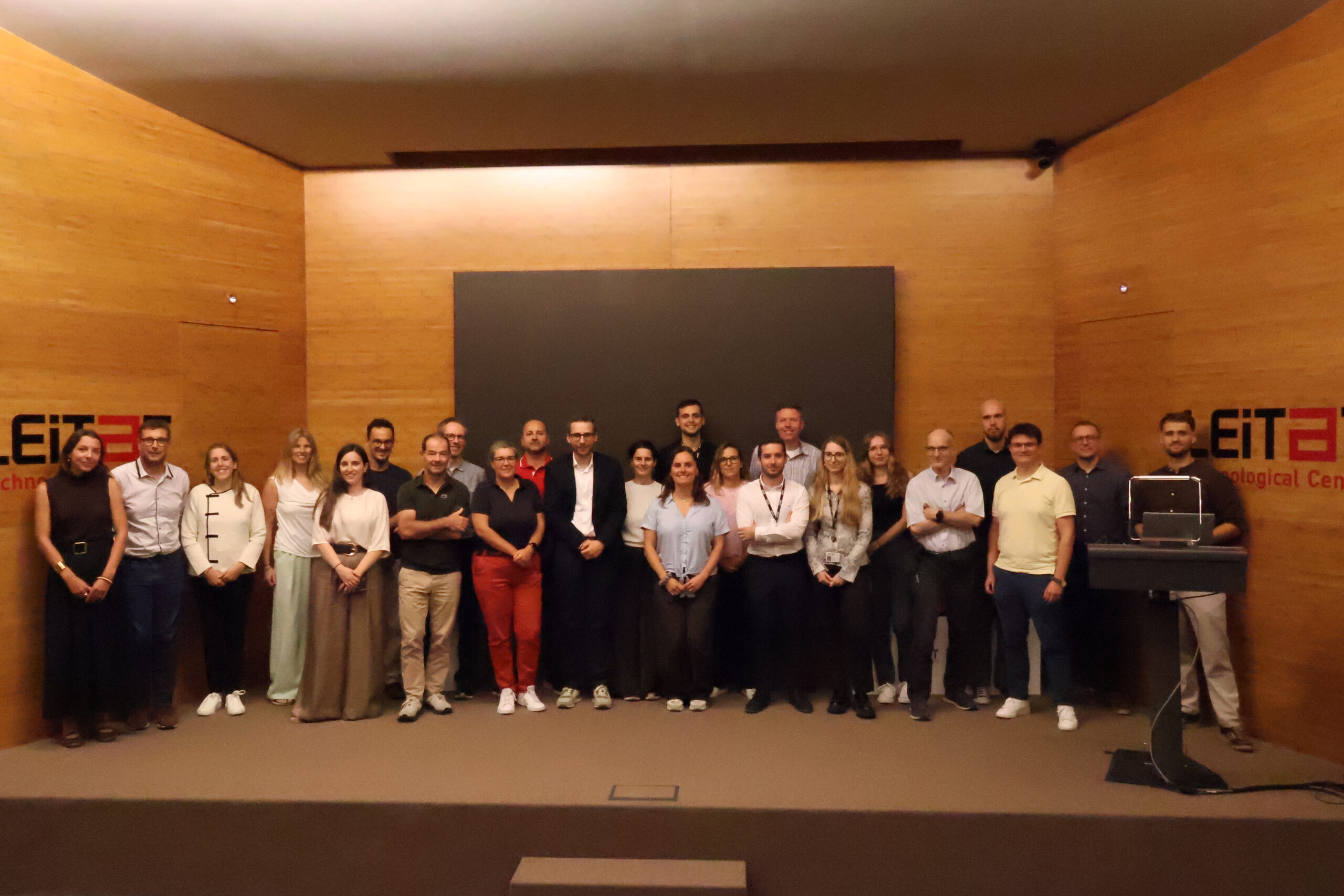
Last week, Leitat hosted the second consortium meeting of the European HIBISCUS project in Terrassa, bringing partners together to share progress, review the results achieved and define the next steps. The agenda included visits to Leitat’s laboratories and working sessions at the Chamber of Commerce.
During the second Steering Committee meeting, partners reviewed the technical progress made across the different work packages, focusing on the purification and valorisation of used cooking oils and the development of bio-based materials, including polyols, polyurethanes, insulation foams, coatings and adhesives. The main challenges related to scaling up, characterising and validating the materials developed were also addressed.
In addition, the consortium reviewed the results achieved and agreed on the next optimisation activities and the supply of materials between the different work packages, with the aim of progressing towards the demonstration and validation of these solutions in real-world applications.
The second day focused on defining the project’s sustainability assessment framework, taking into account environmental, economic, social, regulatory and circularity aspects. Partners discussed how to evaluate different supply, recycling and valorisation scenarios to support technical decision-making and contribute to future recommendations for industry and public policy.
The meeting strengthened collaboration among partners and helped coordinate the next stages of HIBISCUS, which aims to promote waste valorisation and the development of more sustainable materials through bio-based solutions.