The DiMεD project has enabled progress in technologies for surgical implants adapted to each patient through the research of new biocompatible materials and improvements in implant adaptation to specific injuries.
These results strengthen Leitat’s capabilities in additive manufacturing, biofabrication and validation of advanced medical solutions, contributing to the advancement of personalized medicine.
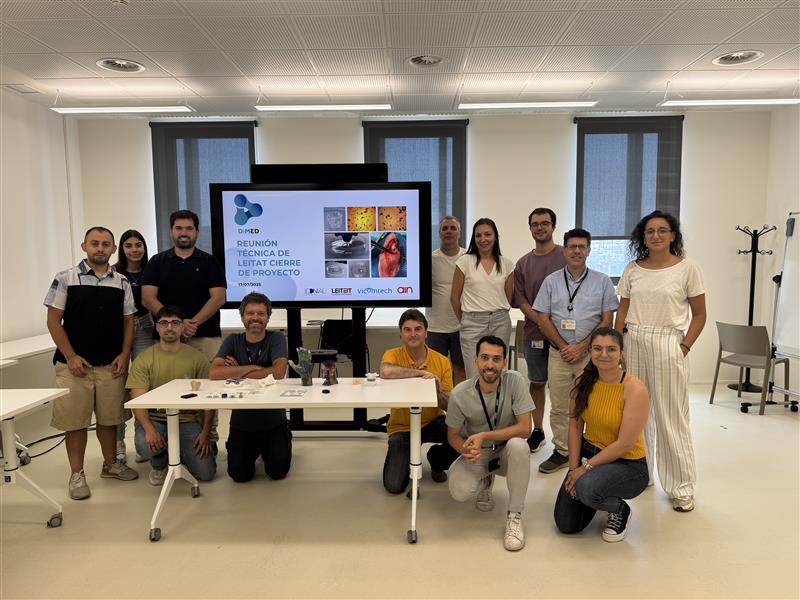
The Red DiMεD, funded by CDTI through the Red de Excelencia Cervera and coordinated by IDONIAL, includes the participation of the technology centres Leitat, AIN and Vicomtech.
Leitat has achieved relevant advances in the development and validation of personalized invasive medical devices within the framework of the Red de Excelencia Cervera DiMεD. Thanks to this project, Leitat has developed new technological solutions ranging from the design of advanced implants to their preclinical validation.
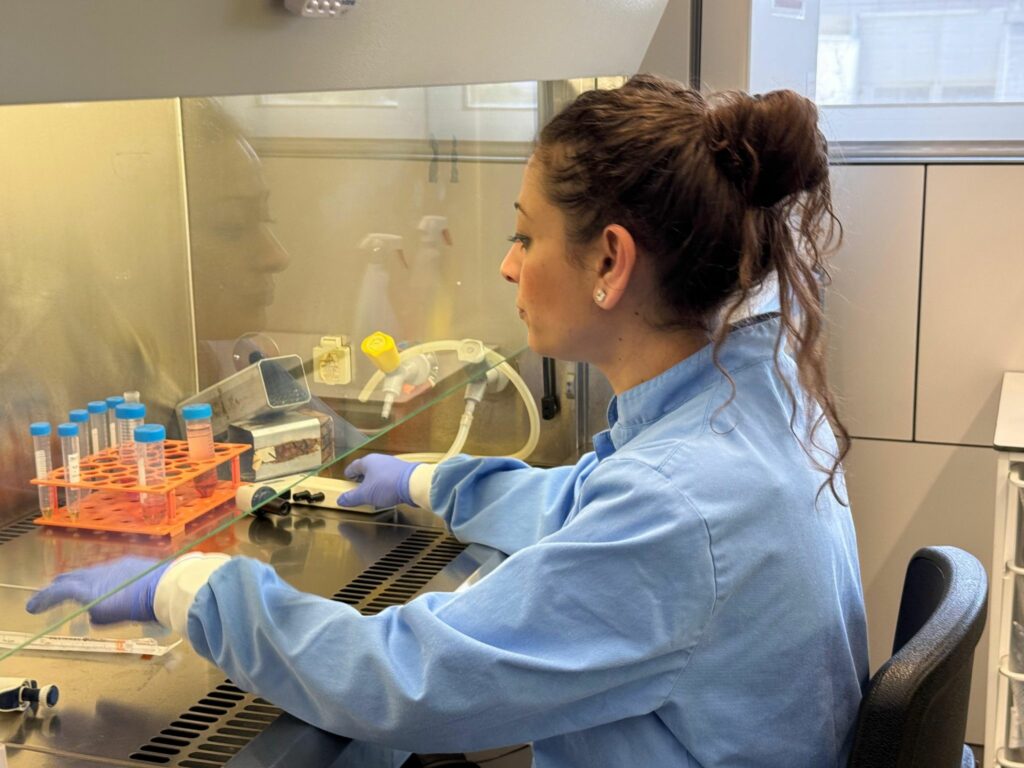
These are the main results achieved:
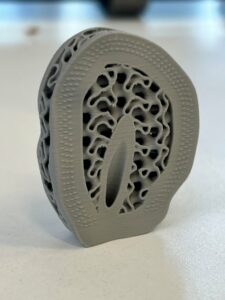
New implants with improved materials and greater biological integration: Leitat has developed and validated osteochondral implants using metal additive manufacturing.
One of the key advances was the parameterization of new biocompatible alloys, optimizing their mechanical properties so they better adapt to the real conditions of bone and cartilage.
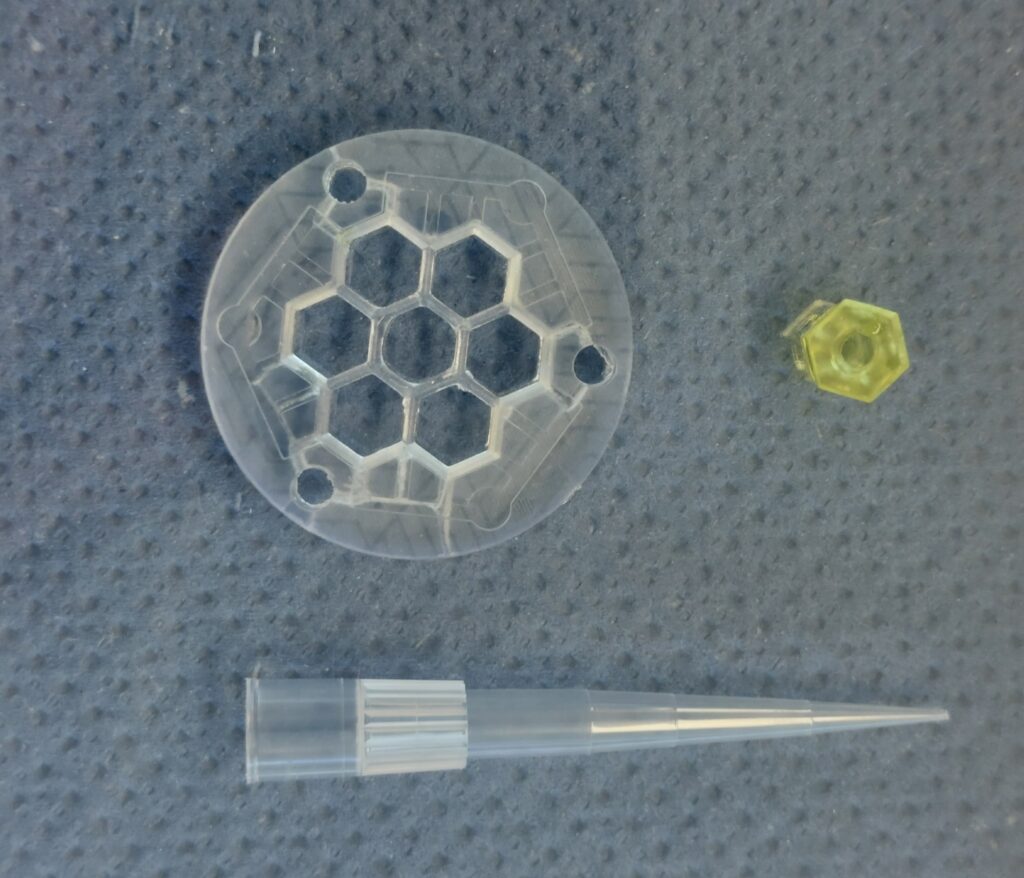
Additionally, the incorporation of advanced post-processing processes and functional coatings has improved implant integration into tissue and enhanced cellular response. These developments were validated through cytotoxicity tests in accordance with ISO 10993 standards, ensuring their biological safety.More precise surgical guides adapted to minimally invasive surgery: Leitat has designed and manufactured personalized surgical guides and other invasive devices oriented to minimally invasive procedures.
The work included optimization of sterilization processes and biological validation, ensuring compliance with regulatory requirements in hospital environments.New inkjet technology to print devices with biocompatible hydrogels: The project enabled the development of a specific inkjet printing system for manufacturing medical devices with biocompatible hydrogels.
This technology facilitates the use of soft materials that better mimic the behavior of human tissues, opening new possibilities in regenerative medicine and in the development of more realistic biological models for research.Advanced bioprinting and models that simulate real tissues:
Leitat has advanced in bioprinting through systems that combine light-based printing and drop-on-demand technology to generate complex tissue models.
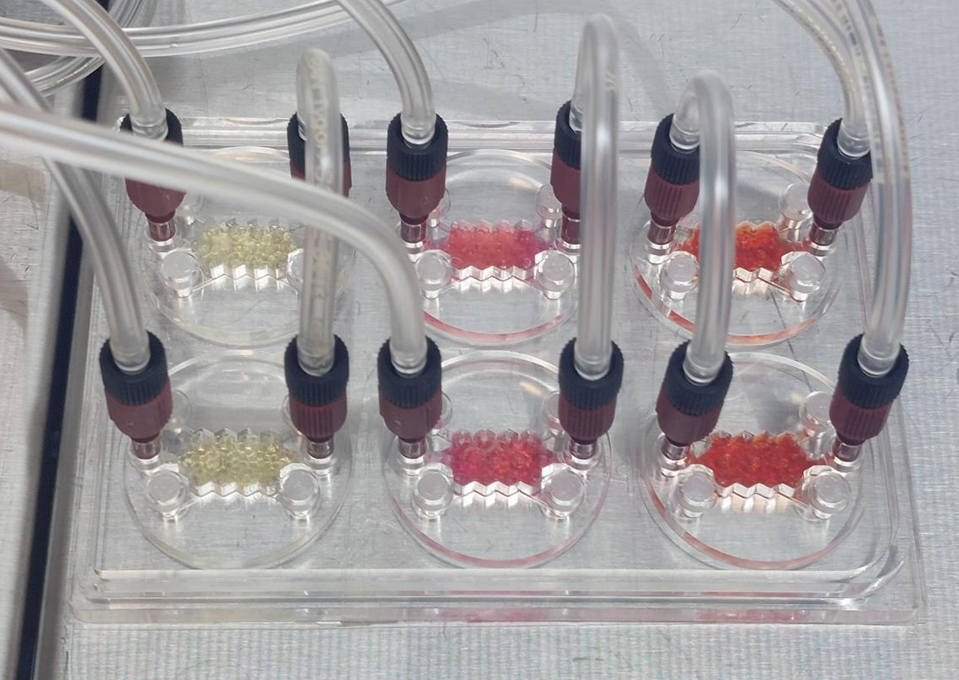
The developed solutions incorporate perfusion systems that allow printed tissues to be nourished to promote their maturation, as well as architectures designed to promote vascularization.
These models make it possible to recreate physiological microenvironments, study metabolic and vascular functions and accelerate the development of new therapies in biomedical research and regenerative medicine, particularly in complex tissues such as liver and arteries.Cell-laden implants and improved regeneration results:
In the field of preclinical validation, Leitat has worked on surgical planning and in vivo validation of personalized 3D bioimplants.
Results showed a significant improvement in tissue regeneration when implants incorporated living cells compared to those that did not. In simple terms, cell-loaded implants helped the body regenerate damaged tissue more effectively.
These developments confirm the potential of advanced manufacturing and biofabrication to create medical solutions adapted to the specific characteristics of each patient, contributing to improved surgical precision, implant functionality and patients’ quality of life.
Certification and strengthening of technological capabilities
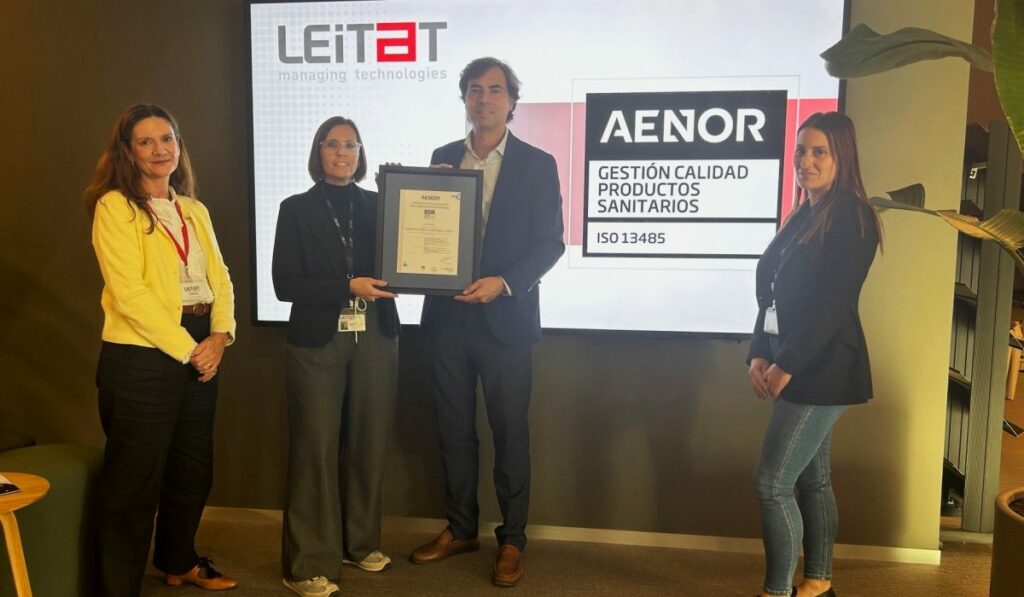
One of the most relevant milestones achieved by Leitat within the framework of the project has been the obtaining of the UNE-EN ISO 13485:2018 certification for the design of four types of medical devices.
This certification consolidates the entity as a key agent in healthcare innovation in the country, guaranteeing the highest quality standard while accompanying companies throughout the entire process, from research to the prototyping of medical devices.
In addition, the project has contributed to consolidating infrastructures, methodologies and key knowledge that will allow Leitat to continue promoting the development of personalized medical devices in collaboration with companies, hospitals and other actors of the healthcare ecosystem.
Training, transfer and talent generation
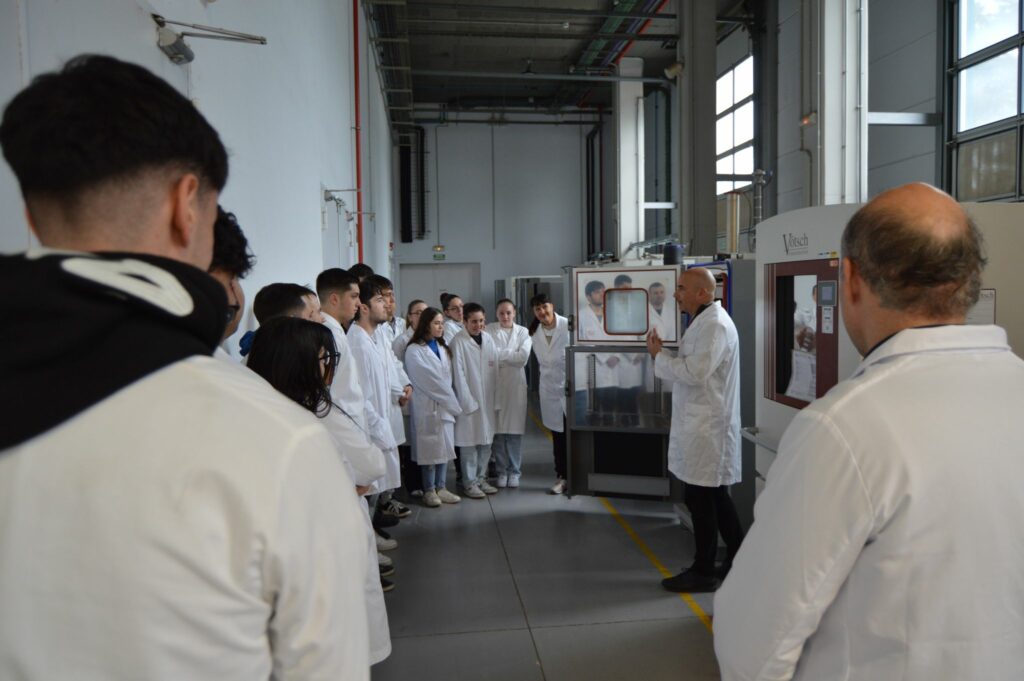
In parallel to the technological developments, Leitat has participated in activities of specialized training, knowledge transfer and advisory services to companies, contributing to strengthening the MedTech ecosystem and facilitating the adoption of advanced technologies in the healthcare field.
Likewise, the Red DiMεD has enabled Leitat the training of third-degree students for the development of two new doctoral theses. These actions have made it possible to reinforce the positioning of Leitat as a reference technological partner in the development of personalized medical devices.
Més informació disponible a: https://dimed.es/