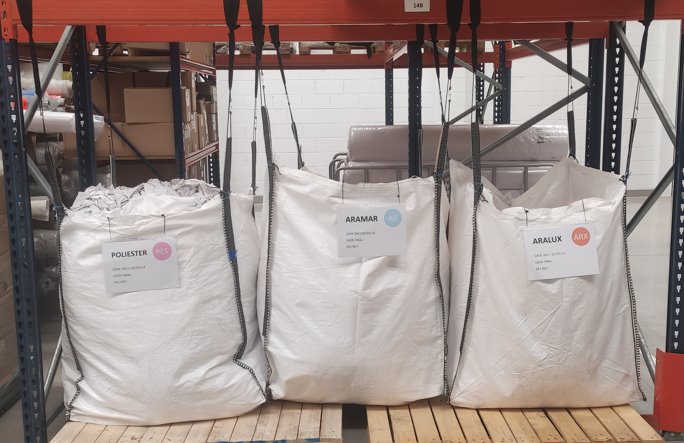
The Circular Racewear project, led by Marina Racewear and funded by the Agència Catalana de Residus with the participation of Leitat, has come to an end demonstrating the potential of the circular economy to reduce environmental impact within the technical textile industry. The initiative has focused on the recovery of pre-consumer textile waste from the manufacturing of racing suits, materials that until now had no valorisation pathway and usually ended up in landfills or incineration.
Thanks to the developed strategy, these residues have been transformed into two new circular textile products: a yarn and a non-woven fabric, extending their lifecycle and avoiding their final disposal.
Overall, the project has prevented around one tonne of textile waste from becoming waste, thus contributing to a more efficient and sustainable production model. In addition, the company expects a 20% annual increase in the collection of pre-consumer waste over the next three years, confirming its commitment to continue improving in terms of circular economy, with this project as a starting point.
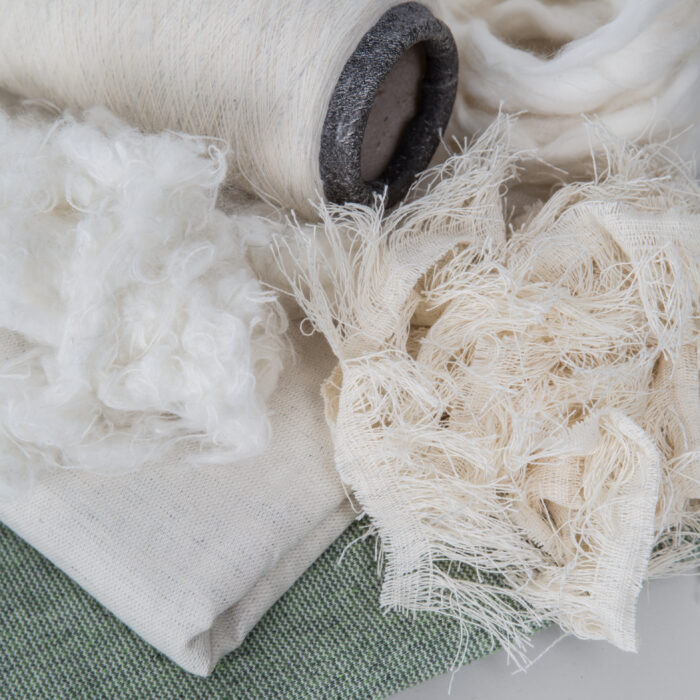
At Leitat, an environmental assessment was carried out to quantify the benefits of the solution. The results show that the implementation of the Circular Racewear strategy could lead to savings of at least 16,300 kg of CO₂ equivalent, that is, a 9.5% reduction in impact. Specifically, the developed circular yarn allows for an average impact reduction of 22%, while the new non-woven fabric achieves reductions of up to 24% on average compared to alternatives made from virgin fibres.
This project highlights how collaboration between industry and technology centres can transform waste into new resources and accelerate the transition towards a more circular textile industry, contributing in a tangible way to decarbonisation and resource optimisation.