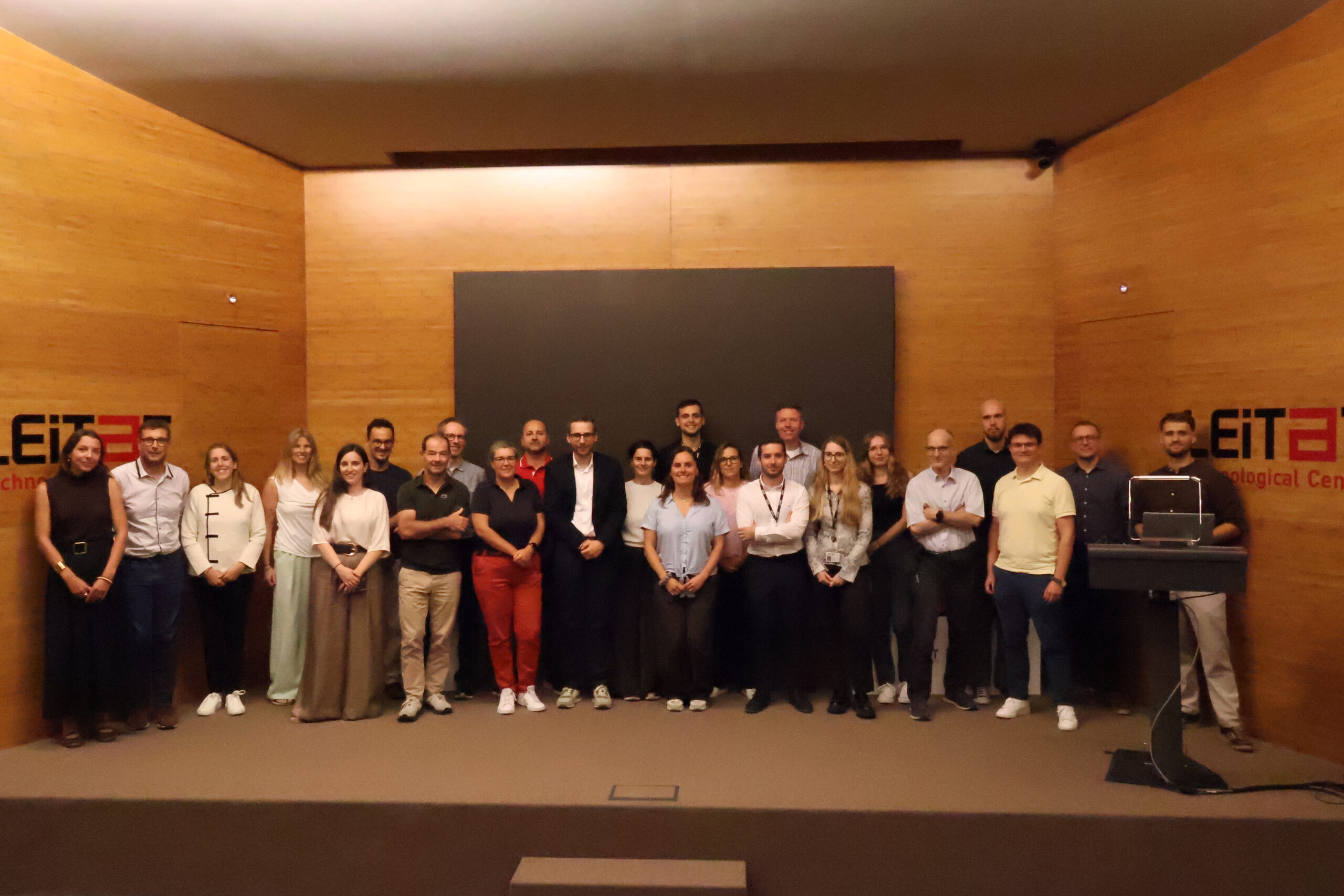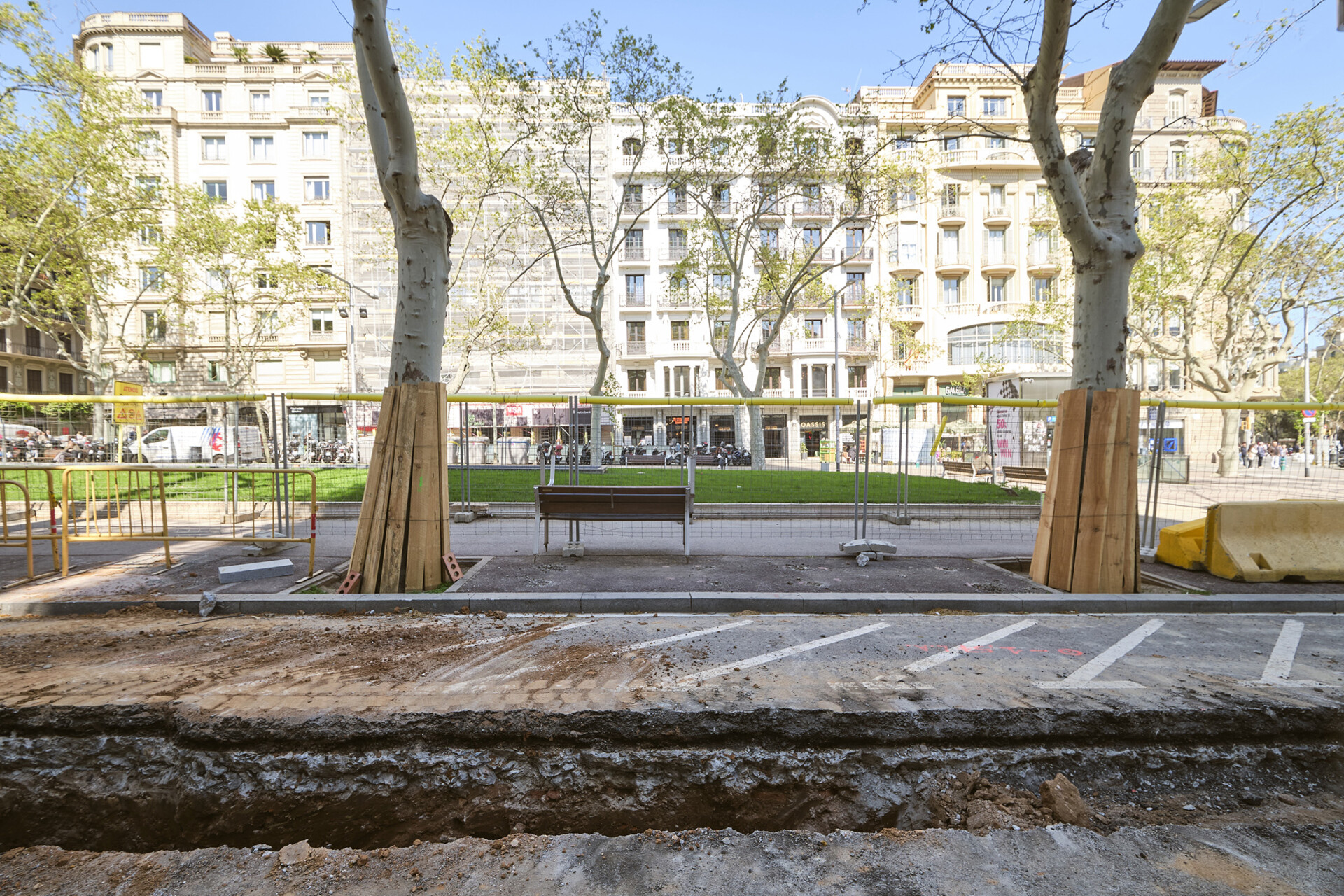
Molins, Romero Polo and Leitat have been selected as the winners of the urban challenge “The Street Section of the 21st Century”, promoted by Ajuntament de Barcelona and the Fundació BIT Hàbitat. The project, part of the Climate Plan strategy, aims to transform the design of city streets through innovative, sustainable solutions aligned with municipal climate objectives for 2030.
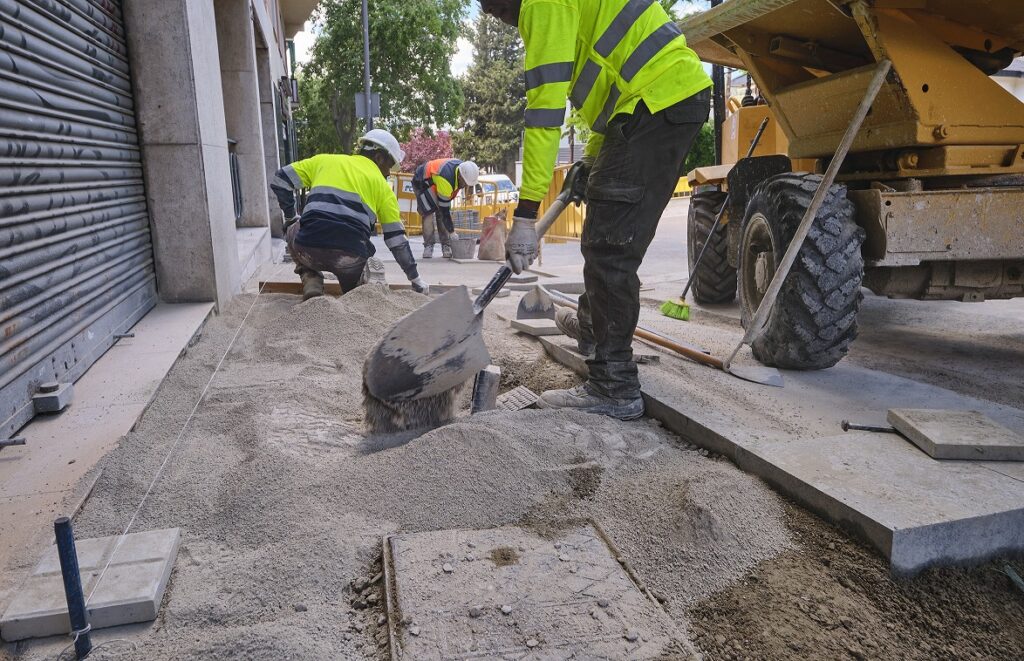
The winning proposal, named RePavimenta, proposes a comprehensive transformation of sidewalks and roadways through the use of innovative low-carbon materials, high percentages of aggregates and recycled components, semi-warm asphalt mixtures, steel aggregates and low-emission mortars. The project integrates a full circularity approach, covering everything from structural design to the complete reuse of materials at the end of their life cycle.
RePavimenta has been recognised for offering a solution that does not currently exist on the market, with the capacity to significantly reduce CO₂ emissions and natural resource consumption, improve the structural durability of pavements, and advance the reduction of noise and surface temperature in urban space. The initiative also stands out for its technical, operational and industrial feasibility, making it a scalable proposal for implementation in the local road network and potentially replicable in other cities.
Applied research work has already started in the first months of 2026, and the roadmap foresees the execution of a pilot in public space between October 2026 and December 2027. During this period, the three entities will work closely together to validate the solution under real conditions and assess its environmental and functional performance in different urban scenarios.
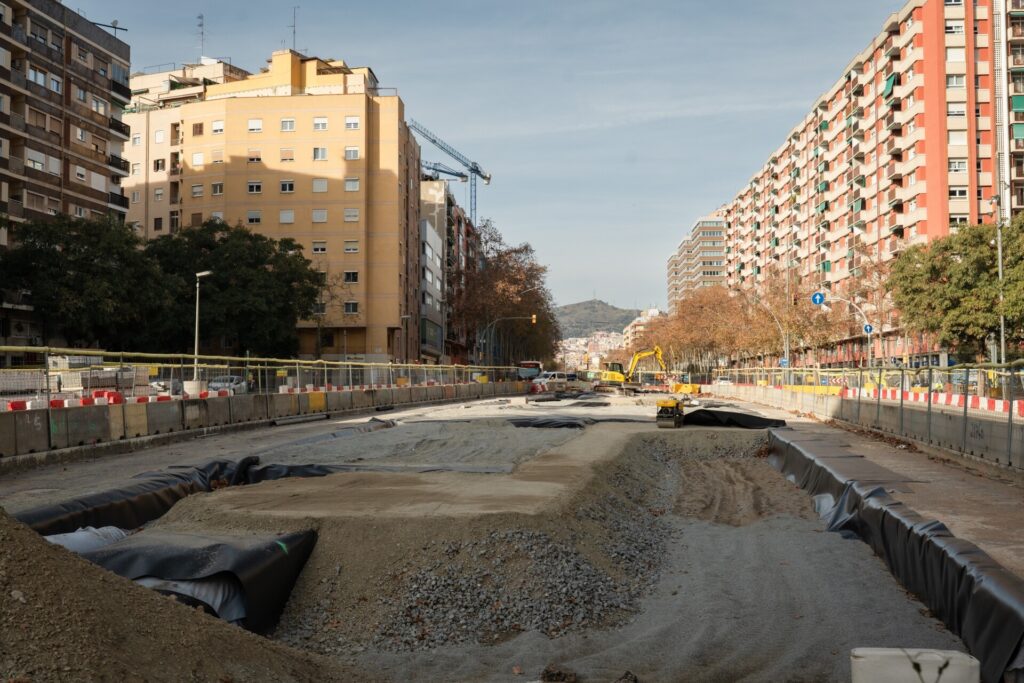
Jordi Altet, Director of Quality and R&D&I of the Concrete & Aggregates and Circular Economy business at Molins, highlights that “RePavimenta allows us to advance new construction solutions that significantly reduce the environmental impact of urban infrastructure. The selection of our proposal by Barcelona City Council reinforces our commitment to sustainable innovation and to transforming the urban model towards circularity and lower resource consumption.”
Jaume Gasia, Head of R&D&I at Romero Polo, states that “RePavimenta represents a step forward in the way urban civil works are designed and executed, integrating sustainability, circularity and technical performance criteria from the design phase through to commissioning. For Romero Polo, participating in this project consolidates our commitment to applied innovation and public-private collaboration as a lever to transform urban space towards more resilient and efficient models aligned with Barcelona’s climate objectives.”
Daniel Checa, Senior Researcher in the Sustainability area at Leitat, states that “RePavimenta bases its environmental assessment on a Life Cycle Assessment carried out in accordance with ISO 14040, ISO 14044 and the European standard EN 15804 for construction products. These methodologies allow a rigorous quantification of the environmental impacts of the system and a robust verification of the achieved reduction thanks to the use of recycled, locally sourced and low-carbon materials. The application of these standards, together with subsequent experimental validation under real conditions, ensures that environmental improvement is accompanied by a full demonstration of the functionality and suitability of the solution at urban scale.”
The selection of RePavimenta highlights the strategic role of collaboration between industry, construction companies and technology centres in accelerating the transition towards more resilient urban models. With this recognition, Molins, Romero Polo and Leitat reinforce their commitment to sustainable innovation, public space improvement and the development of solutions that contribute to citizen wellbeing and the urban future of Barcelona.