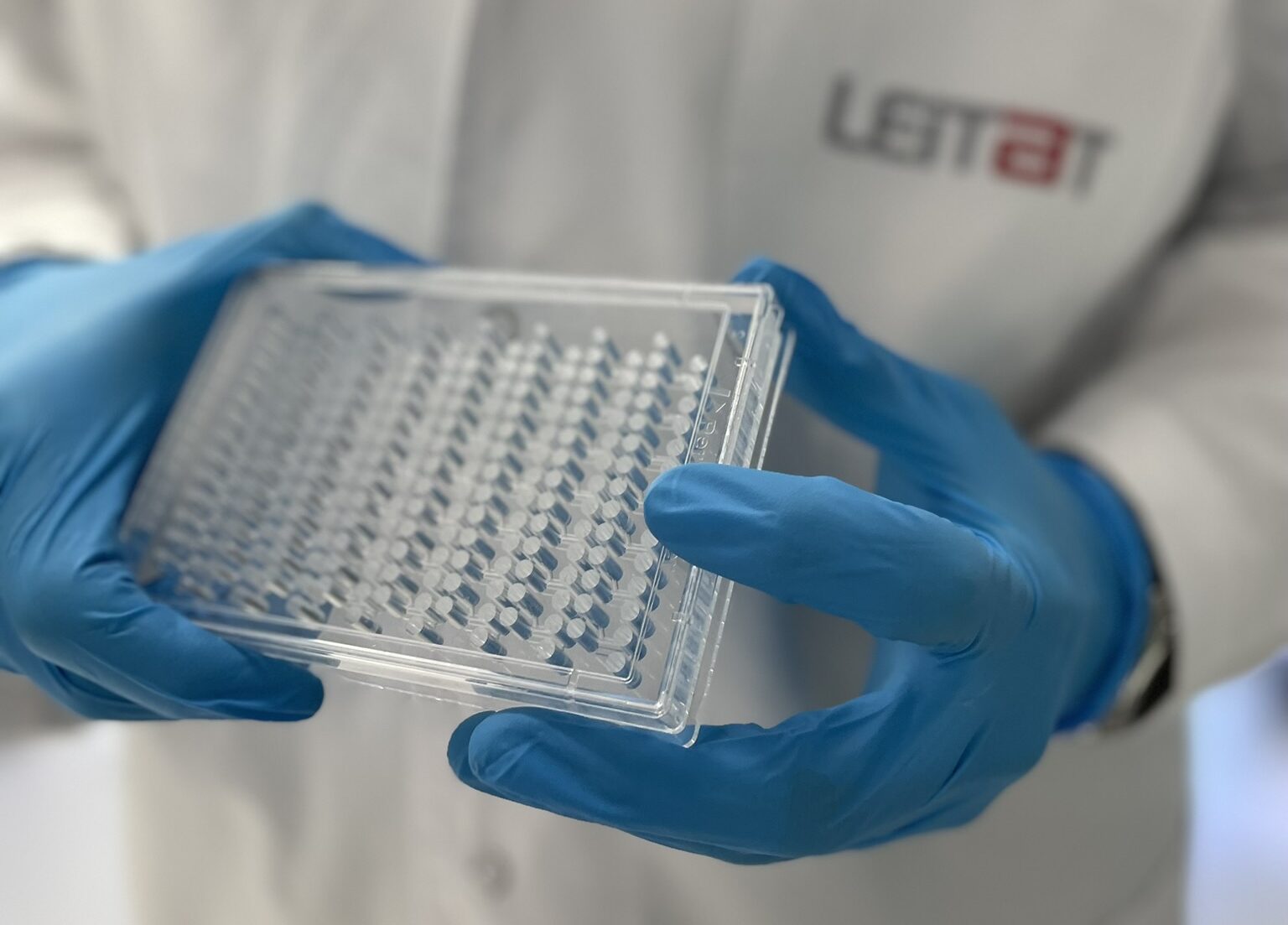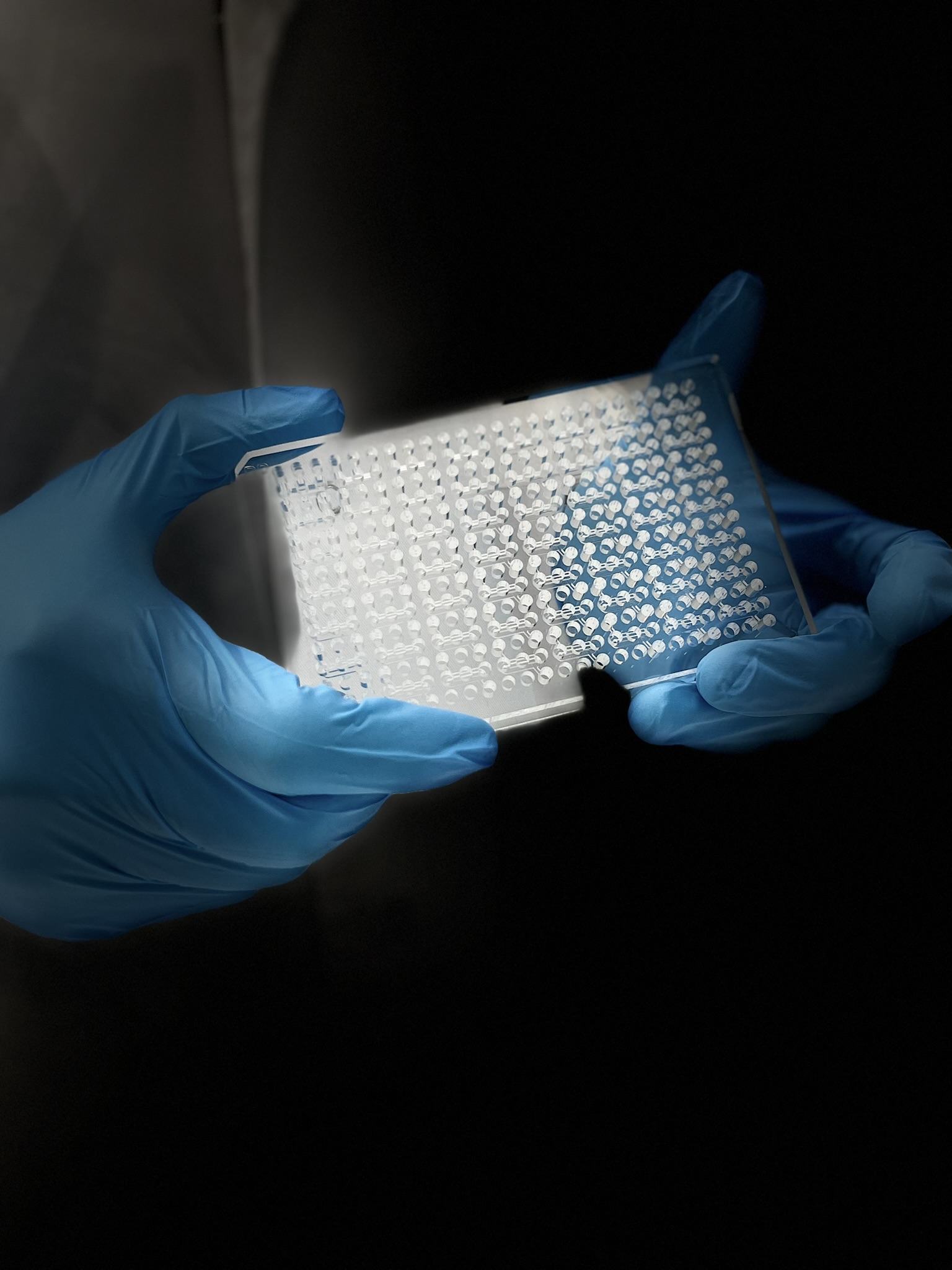
- True to its commitment to the medicine of the future, the technology centre is advancing OGYX, a microfluidic platform capable of recreating up to 72 independent human organ models on a single laboratory plate.
- The technology enables researchers to model diseases such as rheumatoid arthritis and colorectal cancer to test which treatment works best before administering it to the patient.
- In the future, before a person undergoes an aggressive treatment, different drugs could be tested on a device created using their own cells to determine which works best.
The medicine of the future will make it possible to determine whether a cancer treatment or a new drug will be effective and safe before administering it to a patient. Until now, science has relied on animal testing and traditional laboratory tests that often fail to accurately reflect how the human body responds. Now, Leitat technology centre is presenting a disruptive technology that changes the rules of the game: Organ-on-a-Chip. These miniature models represent a tissue, an organ or a system comprising several tissues.
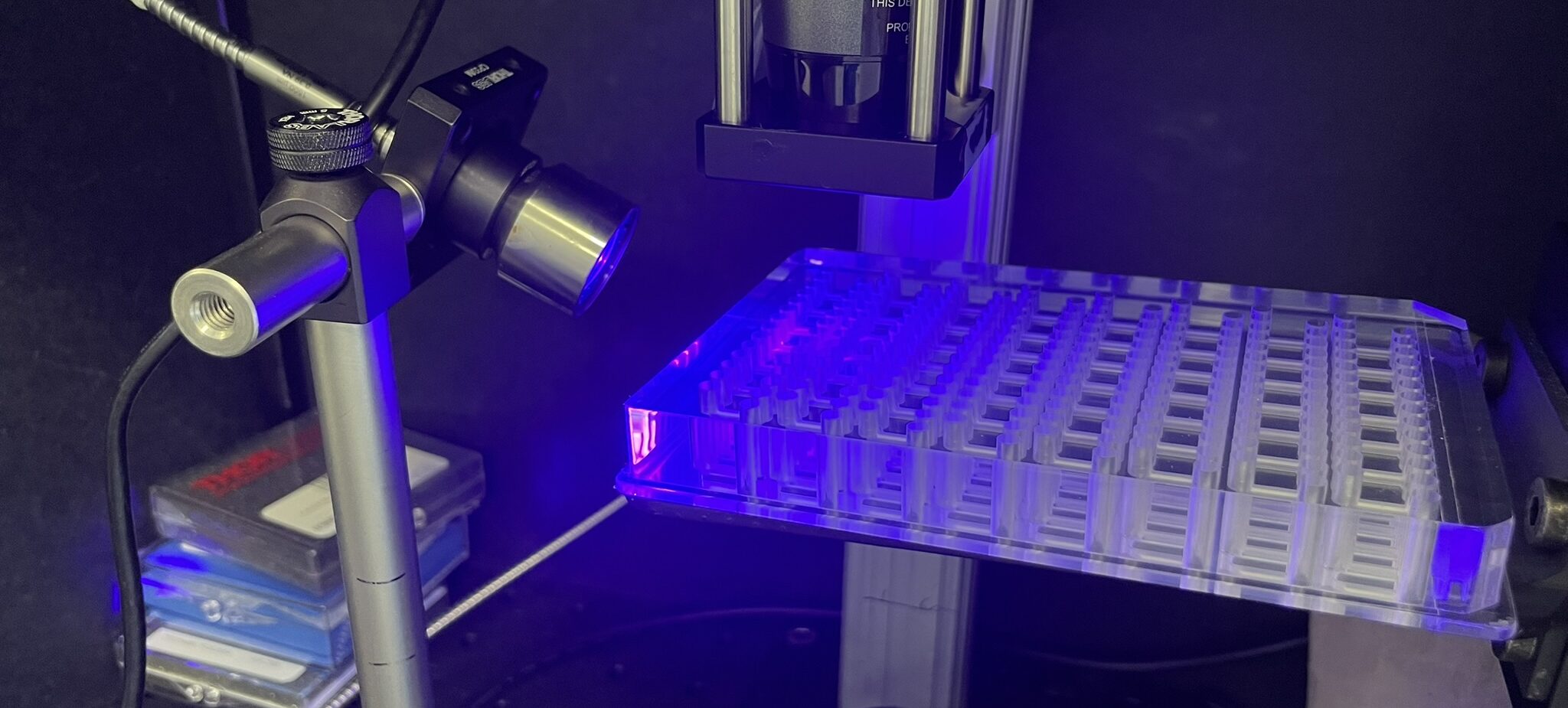
Using the OGYX platform, researchers have designed small, transparent, palm-sized devices containing microchannels and 3D structures in which real human cells live and function. These devices are not complete organs for transplantation, but miniature biological environments capable of simulating blood circulation, breathing or how real tissues respond to disease.
One of the key advances of this technology is its scalability. The OGYX-ONE model can accommodate up to 72 independent organ models on a single laboratory plate. It also uses gravity-driven flow—without the need for complex pumps or external tubing—and has no artificial membranes between cells, facilitating direct biological communication. This enables laboratories and pharmaceutical companies to test dozens of drugs in parallel, rapidly and in a format compatible with hospital analytical equipment.
Towards the medicine of the future
One practical example of Leitat’s technology is a joint-on-a-chip for rheumatoid arthritis, which simulates joint tissue behaviour to compare treatments derived from the patient’s blood. Another is the bioprinted “mini-liver”, which combines 3D printing to recreate the structure of a liver lobule with microfluidics to simulate blood flow. This model enables researchers to study how the liver metabolises drugs and assess their toxicity. A further example is the 3D OncoChip model for colorectal cancer, which uses actual patient samples to test personalised therapies before chemotherapy.
Faster, more efficient drug development without aggressive treatments
“This technology will have a significant impact on society, with the aim of reducing trial and error in patient treatment. In the future, before a person undergoes an aggressive treatment, different drugs could be tested on a device created using their own cells to determine which works best,” says Joan Marc Cabot, Principal Investigator in Leitat’s Diagnostic Devices Area.
This technology will accelerate the discovery of new drugs and streamline their evaluation in the laboratory. This could help reduce development time and costs, allowing new treatments to reach patients sooner.
Finally, it will provide an ethical and more reliable alternative to animal testing, offering fully human cellular responses for biomedical research.