- The smart solar control technology, developed by the technological centre and patented in 35 countries, adapts in real time to the intensity of sunlight thanks to the use of nanomaterials
- Amid the climate crisis, the system manages to block heat in summer and make use of it in winter, while also improving comfort inside the building
- Lead researcher Michele Manca highlights that urban fabric needs “sustainable innovations with broad social and economic acceptance” to address decarbonisation
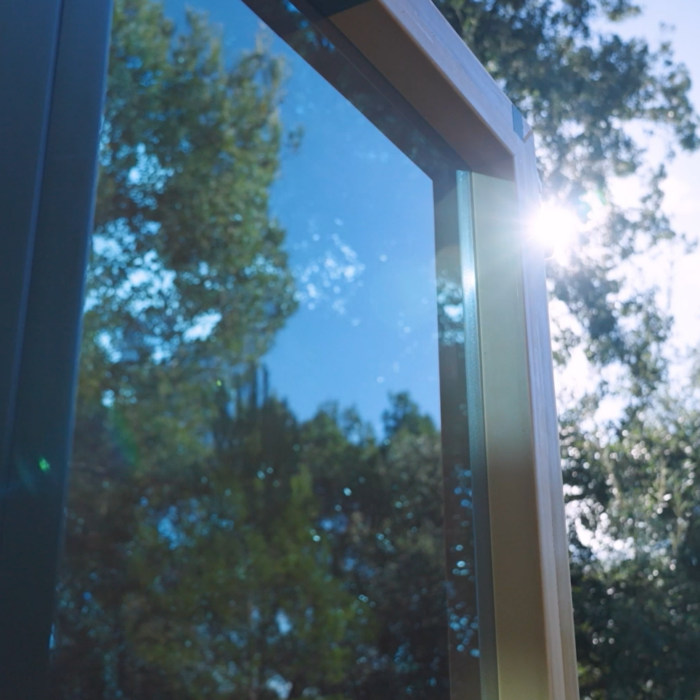
In a context marked by rising global temperatures and the urgent need to reduce CO₂ emissions in urban environments, the technology centre Leitat has developed and patented a pioneering technology that promises to transform the way we manage energy and comfort inside buildings. It is a smart glass system based on plasmochromic technology, capable of automatically adapting in real time to the intensity of sunlight.
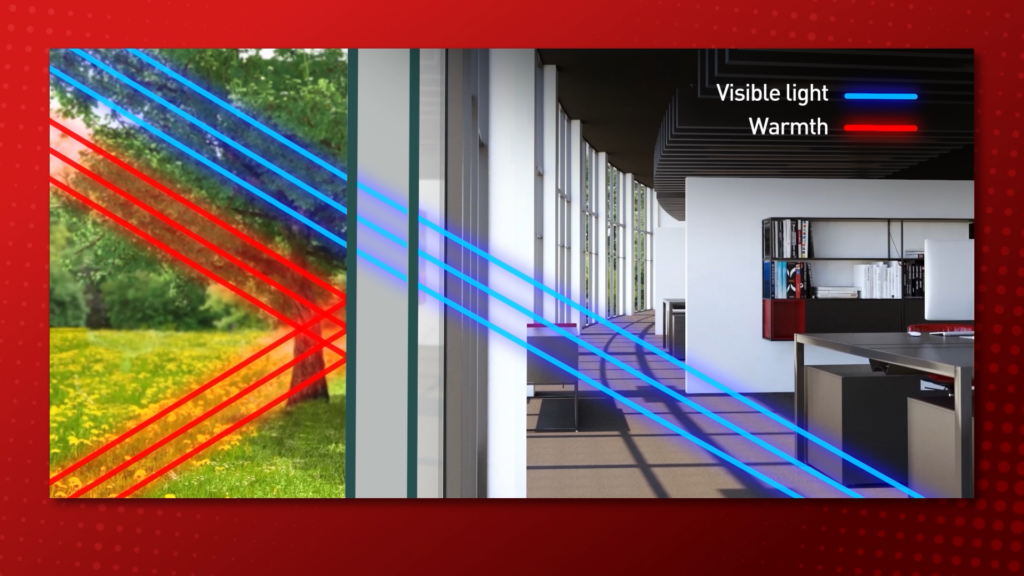
The innovation, which has already been legally protected in 35 countries, acts as a dynamic regulator of incoming solar energy. During the warmer months of the year, the windows block unwanted thermal radiation to prevent indoor overheating. Conversely, on cold winter days, the glass allows radiation to pass through to promote natural thermal comfort, drastically reducing dependence on heating and air conditioning systems.
Cutting-edge science activated with low voltage
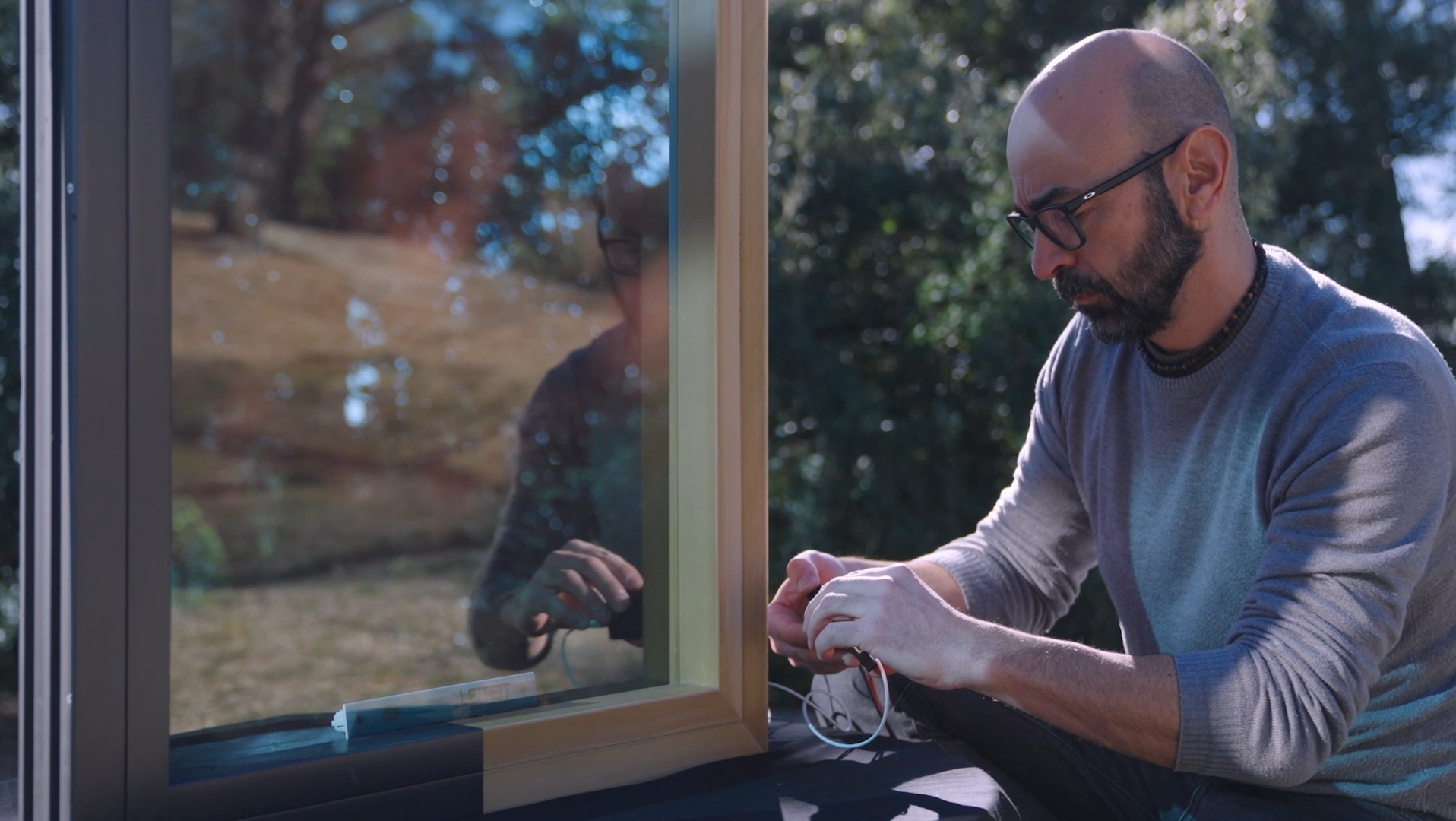
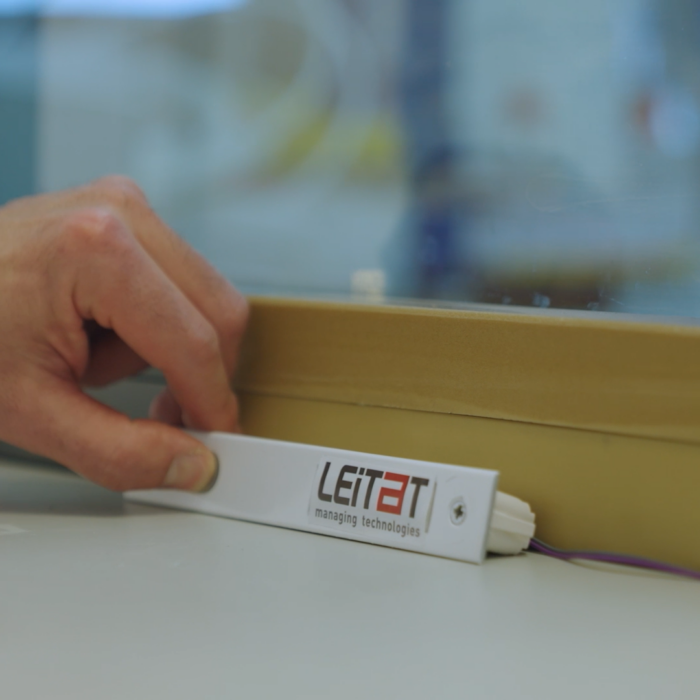
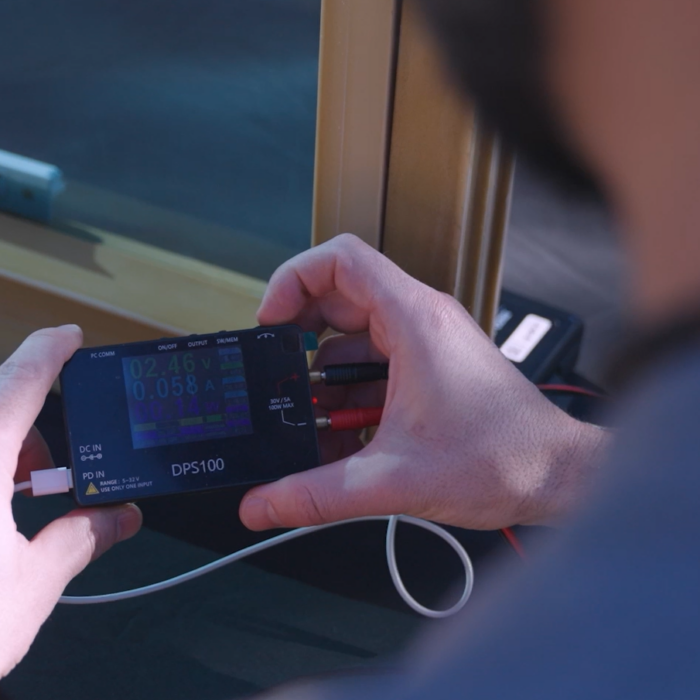
The secret behind this technology lies in the use of plasmonic nanomaterials integrated into the glass itself. These materials intelligently react to very low-voltage electrical stimuli – they can be activated with a simple 3-volt battery – changing the optical state and opacity of the glass within a few minutes. In addition to regulating temperature, the system is capable of optimising natural light and eliminating bothersome glare, improving the user’s visual comfort. The window is regulated through an intelligent control system that tints and clears the glass based on a predictive algorithm and real-time weather data.
The results of the tests carried out demonstrate a direct impact on sustainability and household and corporate economics: an annual reduction in energy consumption of more than 35% (including heating, cooling and lighting) is estimated, accompanied by an improvement in thermal and visual comfort under all climatic conditions and at every moment of the day and year.
Boost and collaboration in R&D&I
This technological milestone has been consolidated thanks to the boost provided by strategic research projects such as Smartlux, led by the technology centre itself with the aim of bringing the latest-generation nanomaterials towards real market applications. Likewise, these types of developments position Leitat at the forefront of industrial innovation in Spain and Europe, working closely with networks such as the Spanish Federation of Technology Centres (Fedit) to accelerate the transfer of clean and efficient solutions to the construction and urban design sectors.
From the laboratory to the real world
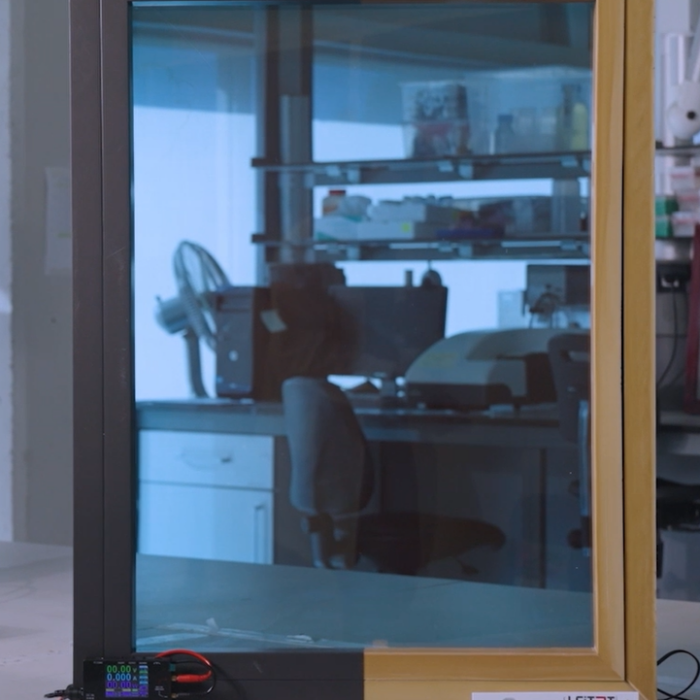
Far from being a simple theoretical laboratory concept, this technology is already being successfully tested in different demonstration buildings throughout Europe, as well as in experimental applications for the transport sector, demonstrating its viability on an industrial scale.
Michele Manca, lead researcher of the project at Leitat, highlights the relevance of this patent at the present time: “The world is facing the challenge of decarbonisation. Climate change requires us to implement sustainable innovations that have broad social and economic acceptance. At Leitat, we are firmly committed to reducing the carbon footprint of built environments, making the most of natural resources such as sunlight”.
With this objective, Leitat reaffirms its commitment to transferring high-level scientific research into practical solutions for the real economy, offering a key tool for designing sustainable cities and smart buildings for the coming decades.
Do you work in architecture, construction or smart building solutions?
Discover how Leitat’s smart window technology can help reduce energy consumption and improve thermal and visual comfort.
Get in touch with our experts to explore potential applications.