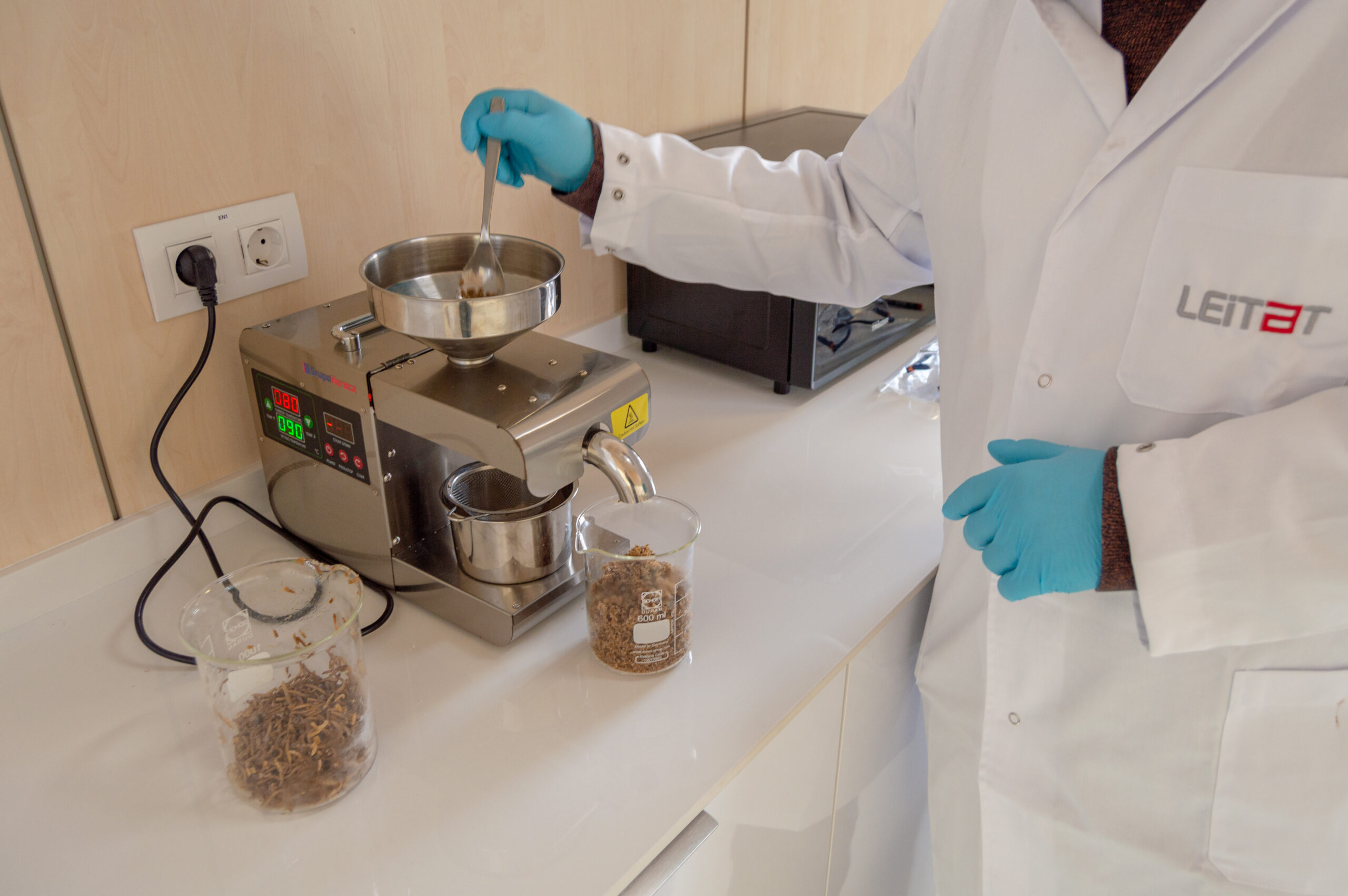
- The oldest technology center in Europe will participate in the fair for the first time, as part of the celebration of its 120th anniversary, showcasing R&D&i solutions to drive a healthier, more sustainable, and digital food industry.
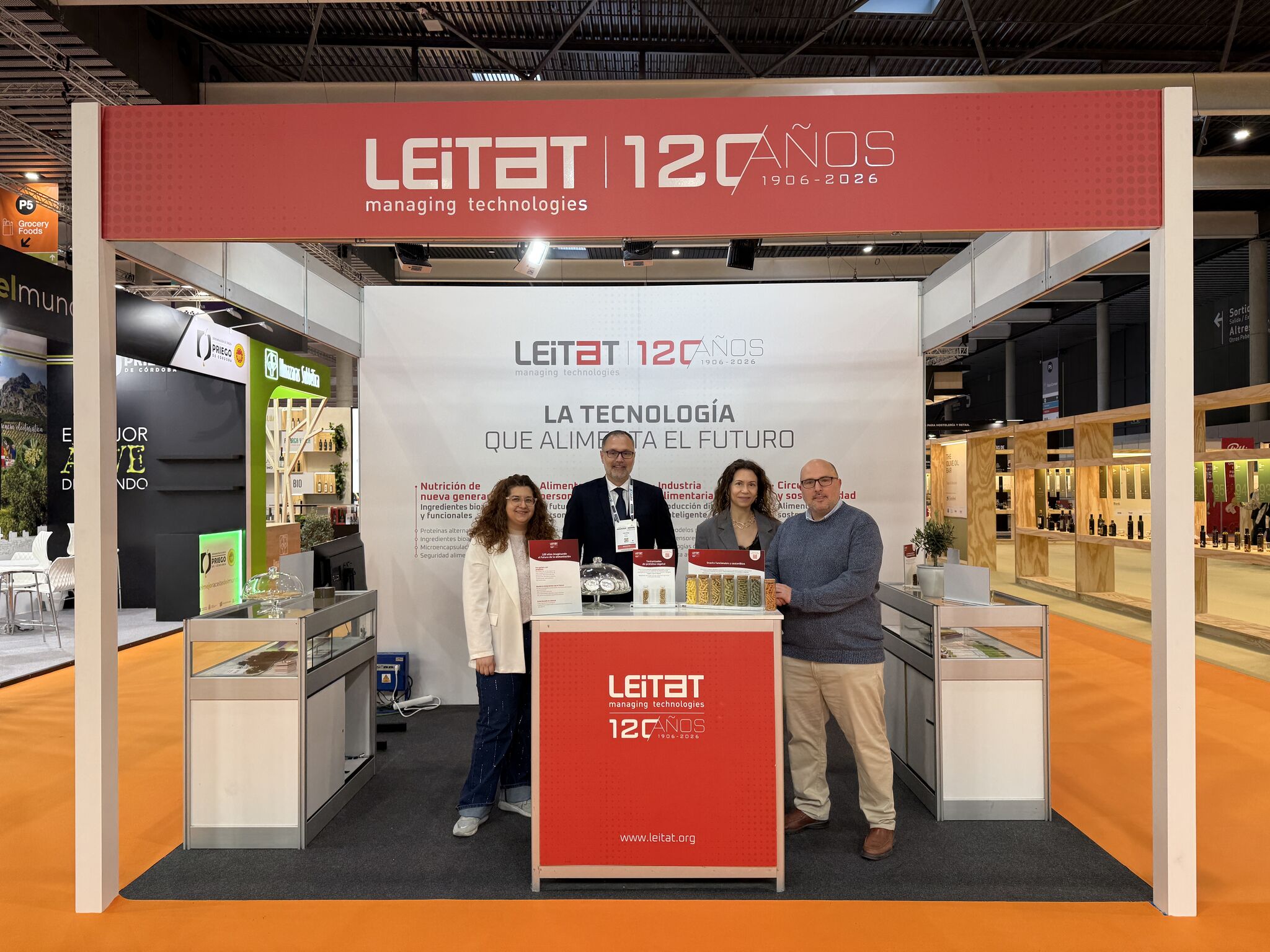
Leitat will participate in Alimentaria 2026, held from March 23 to 25 at Fira de Barcelona (pavilion 5, stand 131), where it will present its technological capabilities in food innovation and its role as a strategic partner for companies in the sector to develop new products, ingredients, and production processes that are healthier, more sustainable, and more efficient.
The technology center will showcase different examples of applied research addressing some of the main current challenges of the food industry, such as the need for new protein sources, the valorization of agro-food by-products, personalized nutrition, and the digitalization of production processes.
“The food industry faces major challenges in health, sustainability, and food safety; and transforming the food system will only be possible with scientific and technological innovation applied to industry,” highlights Montse Jorba, Director of the Bioreresources and Agro-Food Technologies Area at Leitat. “At Leitat, we work to turn knowledge into real solutions for companies, from new protein sources to more sustainable production technologies and the development of new ingredients that meet consumer demands and the global challenges of the food system,” adds Jorba.
Bioactive ingredients and new protein sources for the food of the future
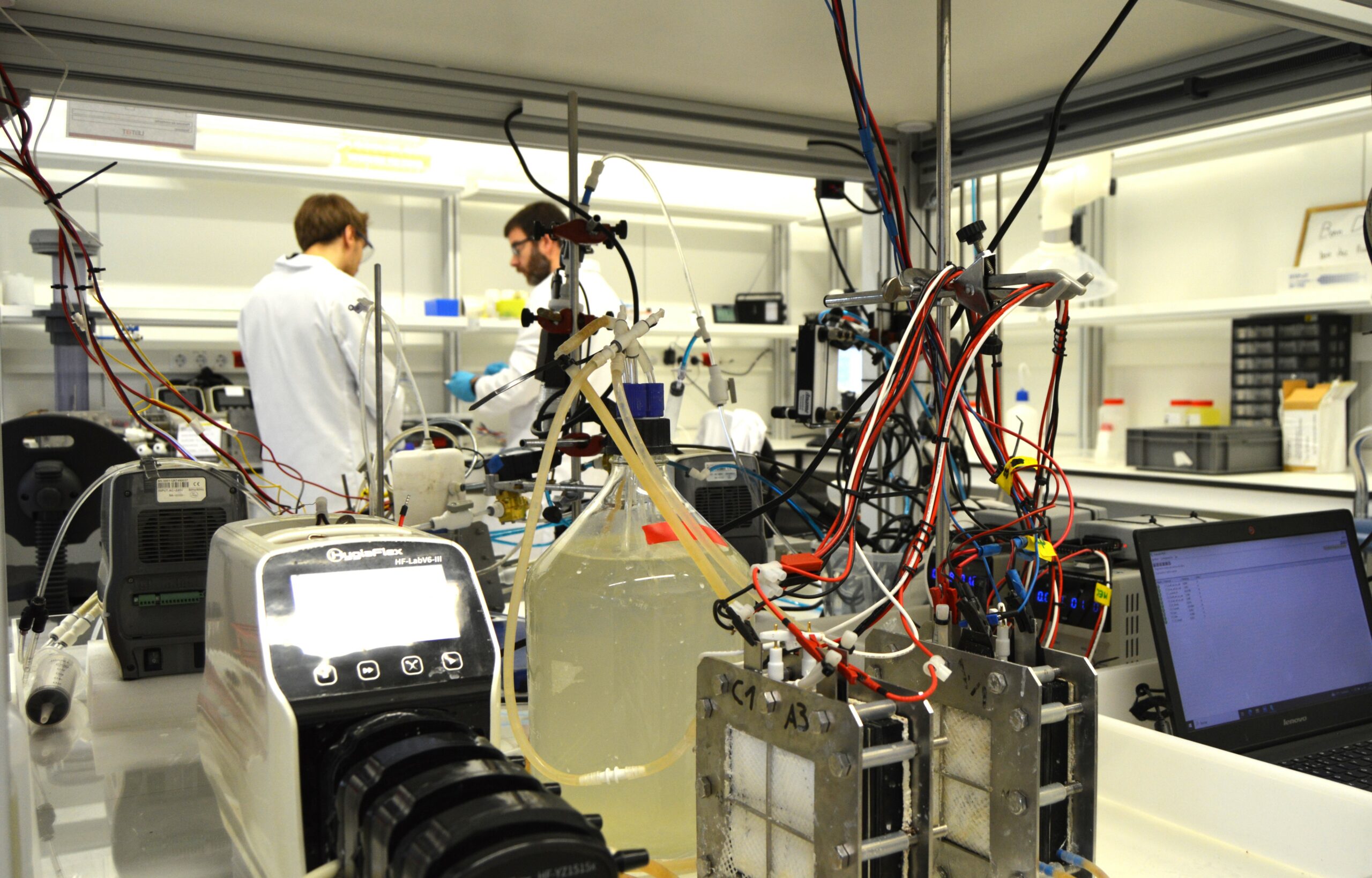
Among the technologies that Leitat will present at Alimentaria, solutions for the development of bioactive ingredients with functional properties stand out. These are designed to improve the nutritional quality of food and contribute to disease prevention. The center’s researchers work on obtaining high-value compounds from natural sources such as microalgae, insects, microorganisms, or plant by-products, with antioxidant, antimicrobial, anti-inflammatory, or hypoglycemic properties.
These technologies allow the development of natural extracts rich in polyphenols, carotenoids, fibers, or functional proteins, with applications in new healthy foods or as ingredients for the food industry. Leitat will also showcase its capabilities in insect bioconversion, one of the emerging lines in sustainable food. From species such as Tenebrio molitor, Acheta domesticus, or Alphitobius diaperinus, the center develops ingredients such as protein flours, oils rich in fatty acids, or bioactive compounds with food applications.
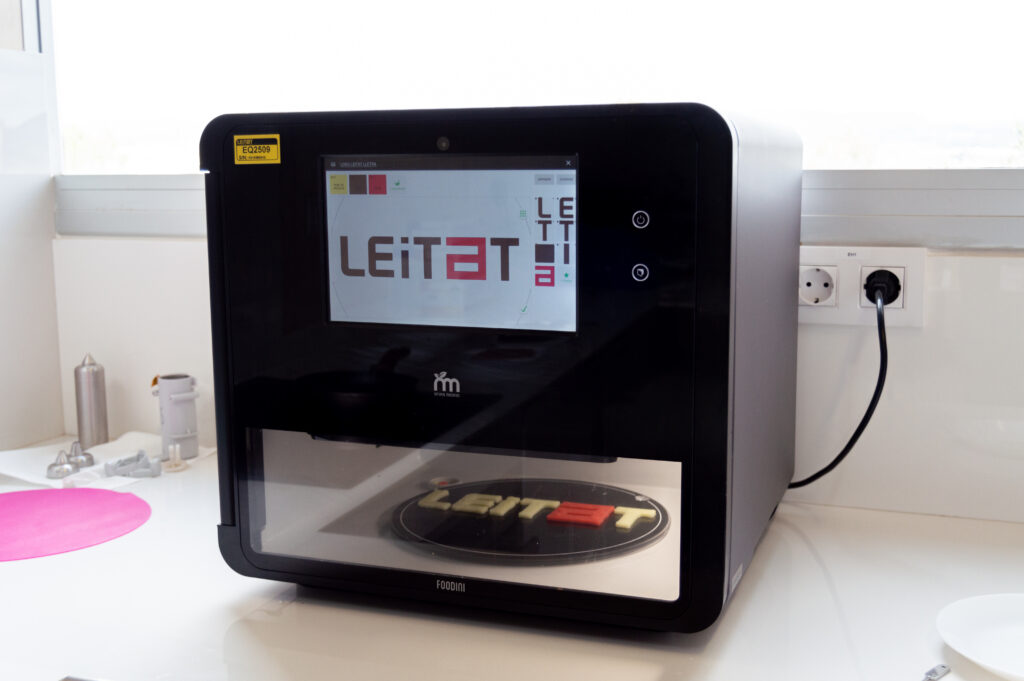
3D printing of foods and functional snacks: new ways to produce and consume
Another highlighted technology will be 3D food printing, which allows the development of personalized products tailored to the nutritional or texture needs of different groups, such as athletes, older adults, or patients with swallowing difficulties. At Leitat’s stand, visitors will see examples of 3D-printed cookies enriched with microencapsulated functional ingredients such as vitamin B12, omega-3, iron, or vitamin D with calcium, illustrating the potential of this technology to integrate personalized nutrition and food design.
The center will also present developments in healthy and sustainable snacks, produced via extrusion using ingredients such as legumes, microalgae, or insect protein, as well as plant protein texturization solutions for creating meat analogues with different textures and culinary applications. These technologies allow for foods with higher protein content, lower fat and carbohydrate levels, and a reduced environmental impact, aligning with new market demands and the sustainability goals of the food industry
Valorization of by-products and circular economy in the food industry
Leitat will also present advanced technologies to valorize agro-food by-products, transforming production waste into new high-value ingredients or functional compounds. Using techniques such as enzyme-assisted extraction, ultrasound, or microwaves, as well as fermentation processes or biorefinery strategies, the center develops new applications for by-products such as olive derivatives, turning them into sources of antioxidants, fibers, or functional ingredients.
This approach helps reduce waste, improve the sustainability of production processes, and generate new business opportunities for the agri-food sector.