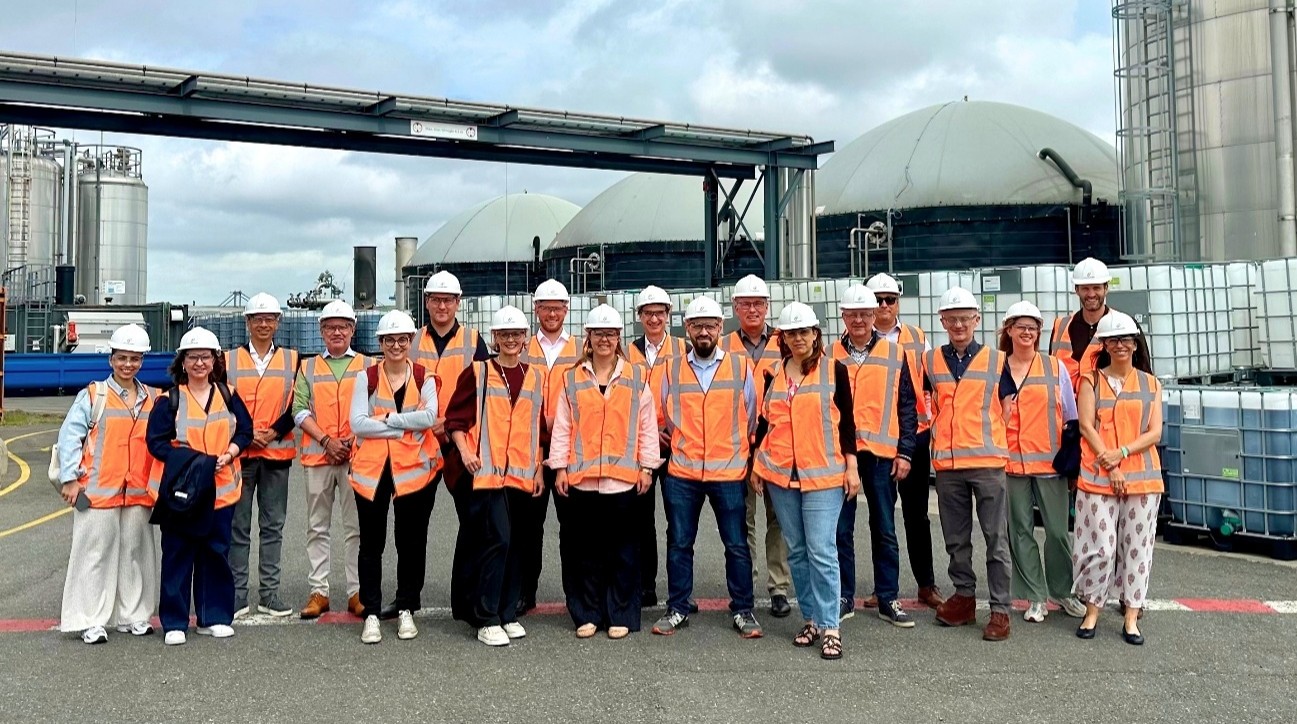
The European project PACE (Potato Juice to Fatty Acids for New Bio-based Value-Chains in Europe) has officially kicked off with the ambition of demonstrating at industrial scale how an underutilised by-product from the potato industry can be converted into sustainable bio-based chemicals.
PACE will deploy a pioneering biorefinery through the construction of a new industrial plant by ChainCraft in the north of the Netherlands, located next to Royal Avebe’s facilities. The plant will directly use side streams and by-products generated by Avebe as feedstock for the production of bio-based compounds. Through advanced fermentation and microbial chain elongation processes, medium-chain fatty acids (MCFAs) will be produced for applications in the chemical industry.
The project will help reduce Europe’s dependence on fossil-based chemicals and palm oil while strengthening circular value chains.
Kick-off meeting
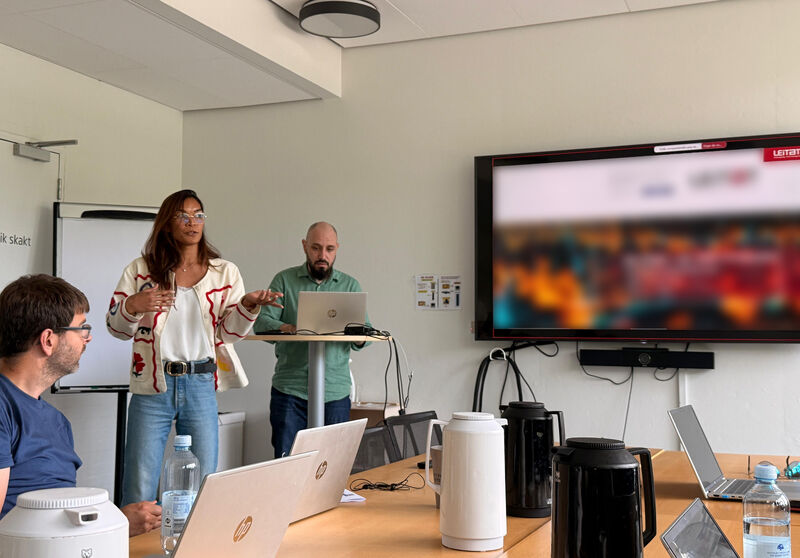
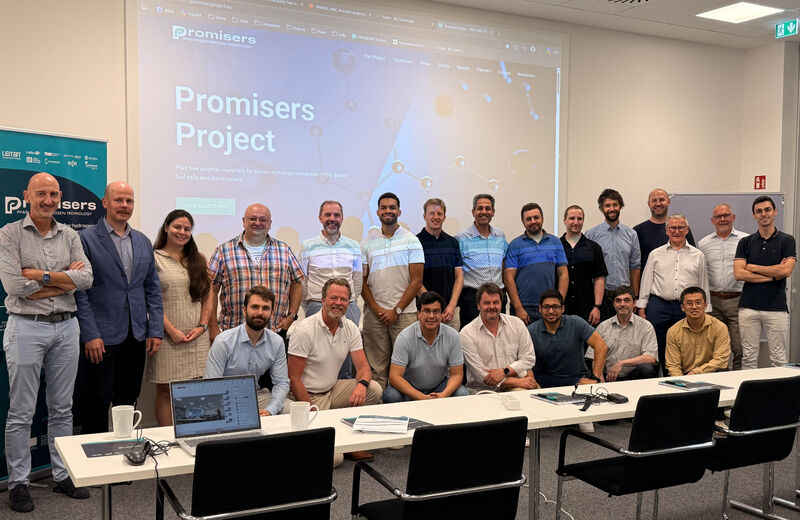
The project’s kick-off meeting took place on 17 June 2026 in Amsterdam, bringing together all consortium partners to align objectives and implementation activities.
During the meeting, the partners defined the initial work plan and coordinated the different work packages.
Contribució de Leitat
Within the project, Leitat will lead the assessment and improvement of the safety and sustainability of the circular biotechnological processes developed, applying the principles of the Safe and Sustainable by Design (SSbD) framework promoted by the Joint Research Centre (JRC) and the European Commission.
This work will integrate safety, sustainability and circularity considerations from the earliest stages of technology development, supporting the implementation of more sustainable and competitive innovative solutions.
Propers passos
The consortium will focus on the initial implementation activities required to establish the biorefinery and optimise the MCFA production processes. In parallel, validation activities in industrial applications will be carried out, together with market, safety, sustainability and feasibility assessments of the developed solutions, including their evaluation according to the Safe and Sustainable by Design (SSbD) framework.
Communication, dissemination and knowledge exchange activities will accompany all stages of the project, promoting the transfer of results and the engagement of key stakeholders across the value chain.