Metal Additive Manufacturing: Real Applications Transforming Industry Today

Metal additive manufacturing has evolved from a prototyping technology into a mature industrial solution capable of producing end-use components with enhanced performance, optimised designs and high production flexibility.

Thanks to the design freedom offered by metal 3D printing, manufacturers can create complex geometries, lightweight structures, internal channels and consolidated assemblies while reducing costs, lead times and the limitations associated with conventional manufacturing methods.

At Leitat, we support companies across multiple sectors in the development and production of advanced metal components tailored to their specific needs. Here are some examples of projects carried out with industry partners.

Injection Mould Inserts with Optimised Cooling

One of the most established applications of metal additive manufacturing is the production of injection mould inserts with conformal cooling channels.

For Menshen, an optimised tool steel insert was designed and manufactured using thermal simulation. The integration of cooling channels adapted to the geometry of the part improved temperature uniformity, reduced defects and shortened cycle times.

The result was increased productivity and a lower cost per manufactured part.

Process Tooling Optimisation for the Automotive Sector

Additive manufacturing also enables the redesign of tools and production equipment to improve performance and simplify manufacturing processes.

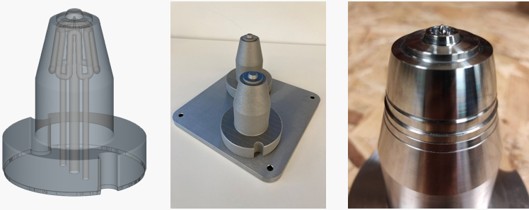
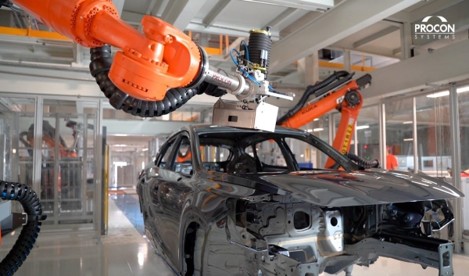
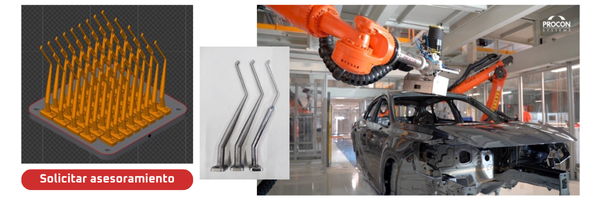
For Procon Systems, a metal nozzle for sealant application in the automotive industry was redesigned and produced in stainless steel, consolidating five components into a single part.

This optimisation reduced manufacturing costs, shortened delivery times and enabled the efficient production of spare parts on demand.

Lightweight Components for the Railway Industry

Weight reduction is one of the key advantages of additive manufacturing in sectors where efficiency is critical.

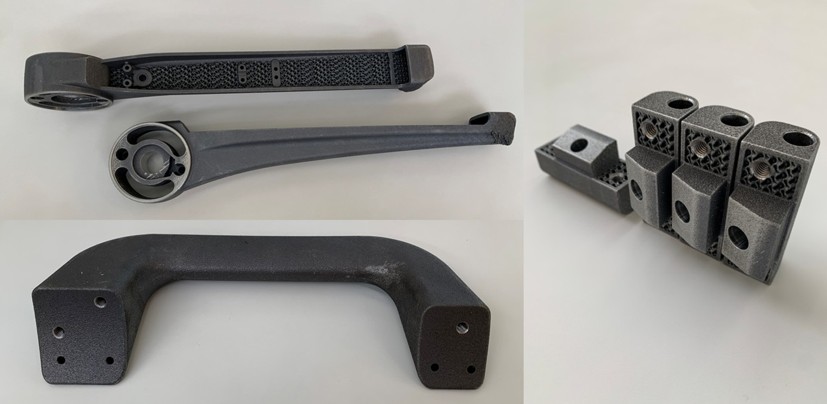
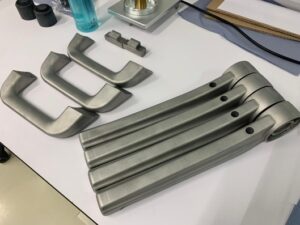
Together with Fainsa, several aluminium components for railway seating systems were developed, including armrests, handles and table supports.

Through design optimisation techniques, weight reductions ranging from 26% to 70% were achieved while also improving manufacturing efficiency and production flexibility.

Advanced Components for Space Applications

Additive manufacturing makes it possible to integrate multiple functions into a single component and eliminate complex assemblies.

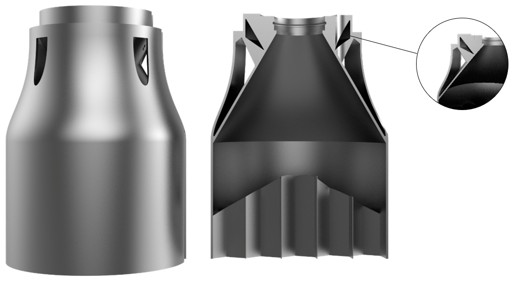
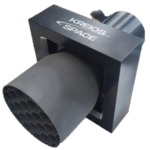
This was demonstrated in a project carried out with Kreios Space, focused on optimising an air intake component for an electric satellite propulsion system.

The final solution consolidated three components into one part manufactured using Laser Powder Bed Fusion technology, reducing weight, simplifying assembly and improving overall functionality.

Mass Customisation for Consumer Products

Customised production is another major advantage of metal additive manufacturing.

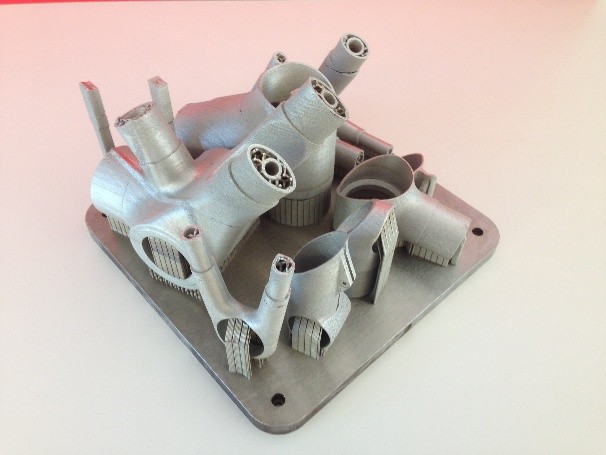
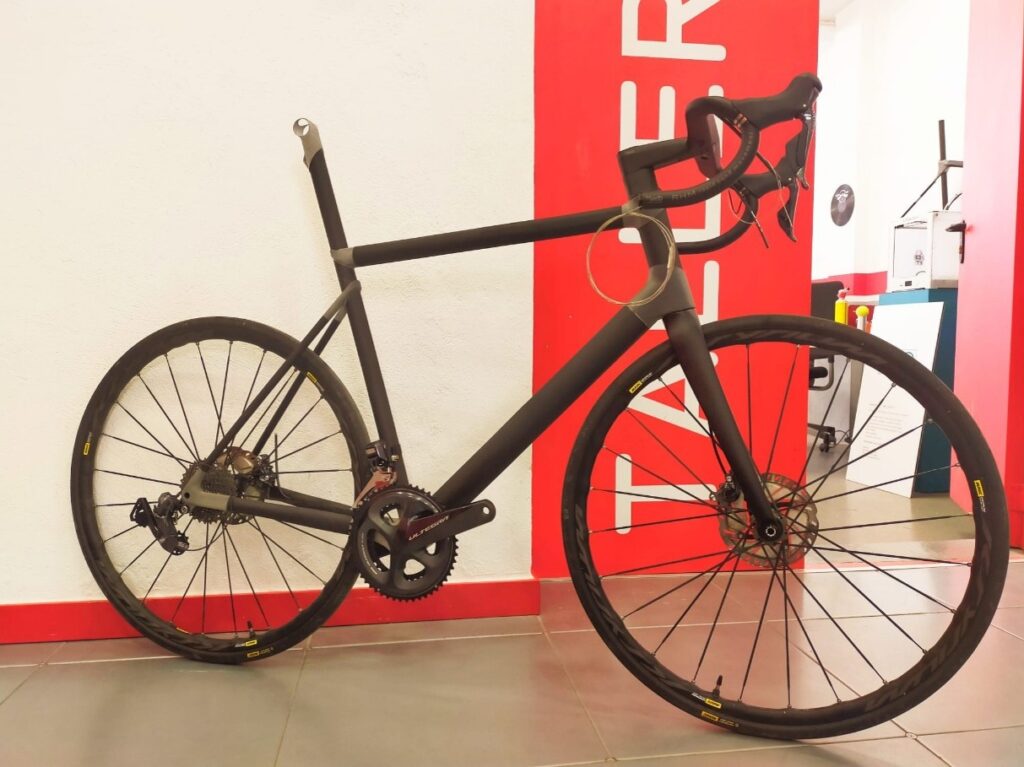
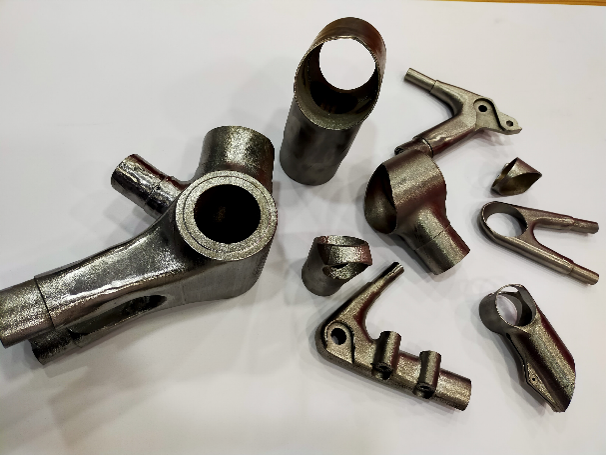
Working with Quantic Cycles, titanium bicycle components were developed and tailored to the specific requirements of each user. Through topology optimisation and lattice structures, significant weight reductions were achieved while maintaining mechanical performance.

How Can Additive Manufacturing Benefit Your Business?

From tooling and industrial components to customised products and high-value applications, metal additive manufacturing enables faster development cycles, optimised designs and the production of geometries that would be difficult or impossible to achieve using conventional manufacturing methods.

If you are exploring new ways to improve your products or production processes, Leitat can help you identify opportunities and turn them into industrial solutions.

Latest News

Categories